
I often reflect on my earliest relationship with heavy music—a period defined more by limitation than choice. My understanding of heaviness was narrow, anchored to a single genre and a single band, with little curiosity beyond that framework. Occasionally, I encountered alternative or more contemporary sounds, but I rarely allowed them to reshape my perspective. My palate was fixed, and exploration felt unnecessary.
Like many discoveries that matter, change came indirectly. Through the work of photographers I followed, I began encountering artists I had never heard of. A single image was often enough to provoke curiosity, leading me toward unfamiliar sounds and new extremes. Even then, I remained tethered to a familiar sonic identity, hesitant to fully abandon what felt safe.
This show confronted that earlier version of myself—the one who believed heaviness had a ceiling. It served as a reminder that intensity is not static; it expands through exposure, curiosity, and discomfort. The more we explore, the heavier the experience becomes—not just in sound, but in weight, intention, and emotional depth. Tonight, that exploration unfolded fully, immersing the audience in an avant-garde expression of sonic fury and noise.
As the first act of the night, GOD IS WAR set the tone before the room had fully settled. Doors opened to a steady stream of early arrivals in leather jackets and denim, positioning themselves to absorb the night’s impending intensity. A small portion of the crowd kept their distance, bracing for what was to come.
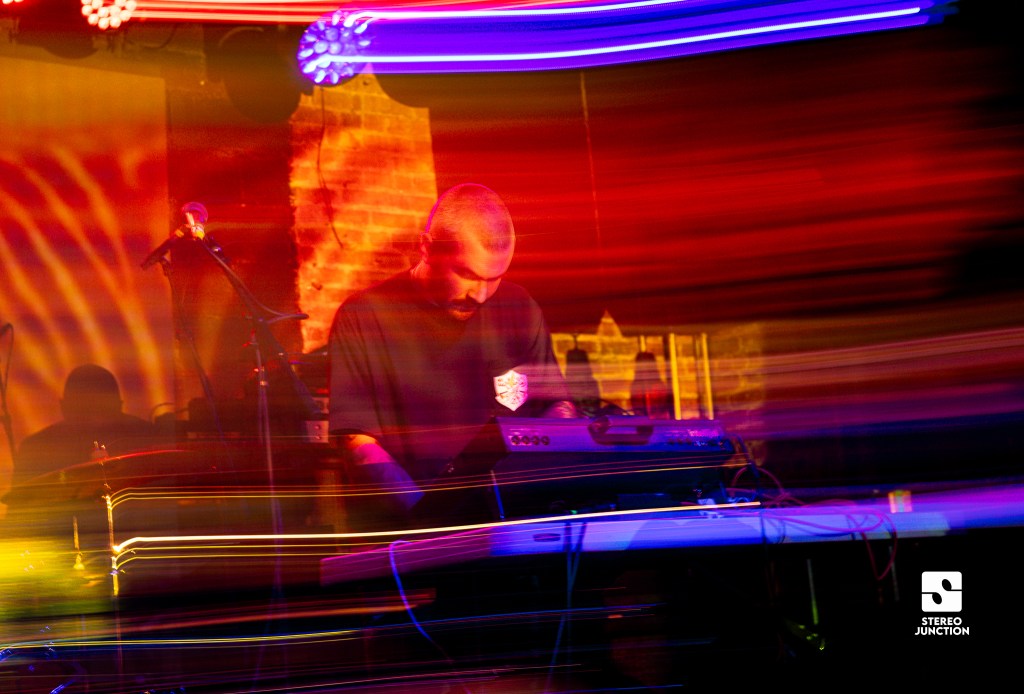

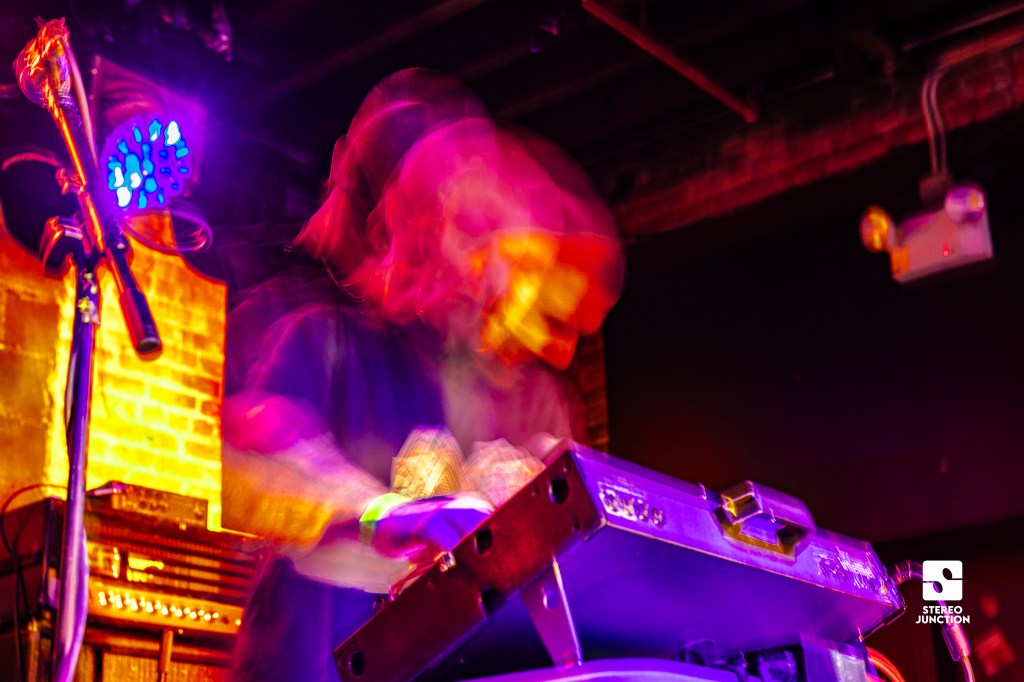


GOD IS WAR is the project of Lebanese-American artist Mack Chami, previously unfamiliar to me. His thirty-minute set introduced an industrial, IDM-adjacent framework, drawing heavily from hip-hop–influenced rhythms and mechanical textures. Each piece landed as a calculated instrumental strike rather than a traditional composition. The performance felt confrontational and immersive, functioning less as an opener and more as a statement—a controlled descent into sonic chaos that primed the room for what followed.
The Seattle-based trio Great Falls took the stage shortly after, marking the point where the night truly ruptured. Their sound fused noise rock’s jagged edges with sludge’s crushing weight, forming a dense wall of sound. Guitar riffs cut sharp and dissonant, drums pounded with unpredictable rhythm, and the bass throbbed like a living entity—each element clashing and converging in deliberate chaos.
Vocals alternated between guttural shouts and tense, distorted murmurs, cutting through the sonic density and driving the energy forward. The room responded immediately, heads nodding in sync with each pulse, bodies swaying or bracing as waves of distortion washed over them. Every tempo shift and feedback-laden break pulled the audience further into the set, collapsing the distance between performer and listener. Their performance didn’t just fill the space—it pressed against it, unleashing raw emotion and fury that set the tone for the night’s escalating heaviness.

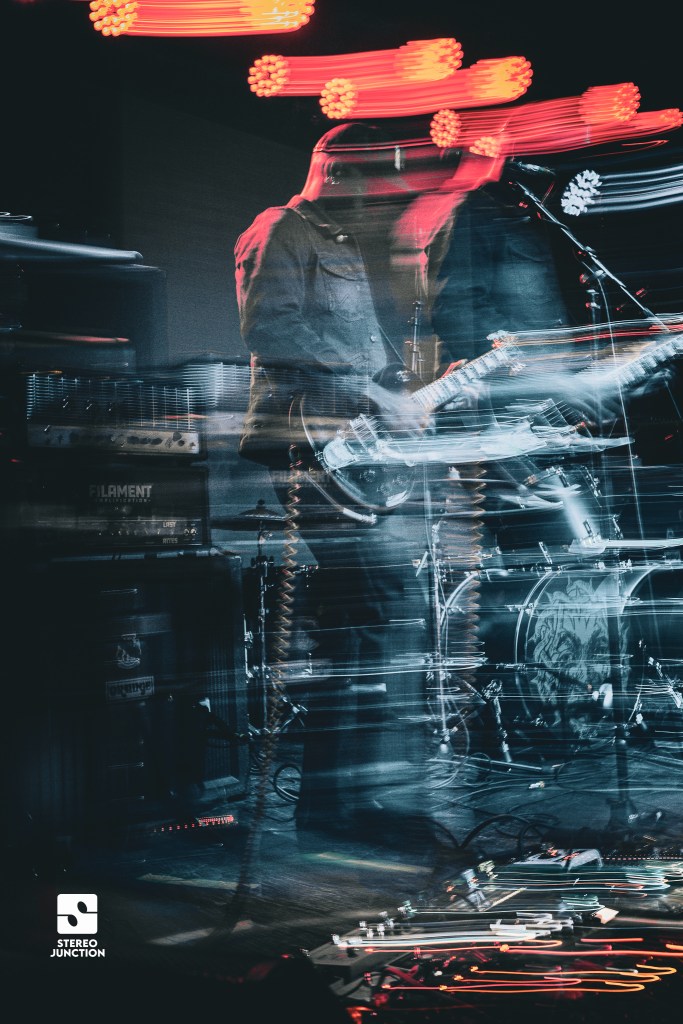
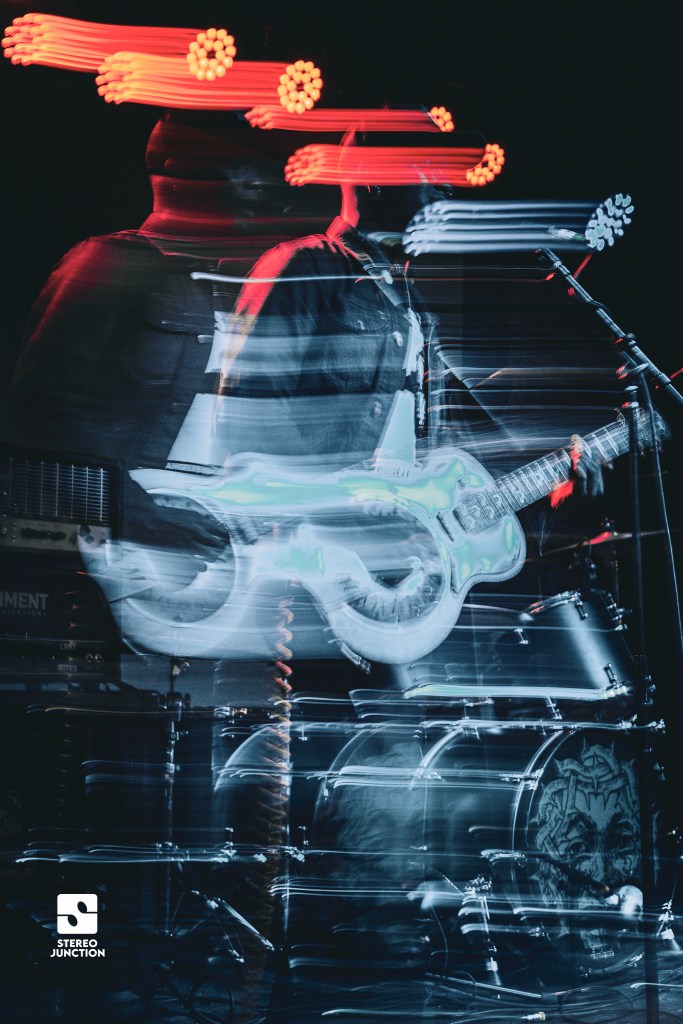

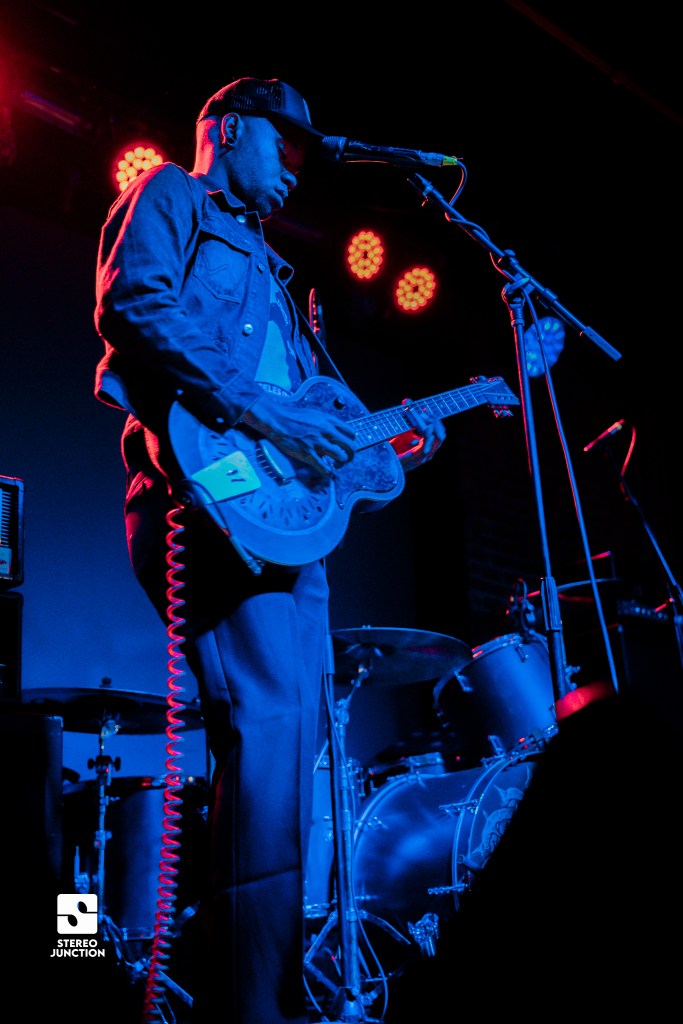
As the third act and co-headliner, Buffalo Nichols delivered a concise but impactful set. Equipped with his full setup of pre-recorded loops and a heavily armored pedal board, he performed as a one-man army, providing a stark contrast to the intensity of the previous acts.
Following the industrial IDM of GOD IS WAR and the abrasive noise rock of Great Falls, Nichols tamed the room into a rare calm before the storm. His guitar cried with blues-infused riffs and sharp, expressive punches, while his husky vocals carried raw, emotive weight. The stripped-down, loop-driven session was deceptively layered, each phrase holding the crowd’s attention. Despite its brevity, the set earned loud cheers and visible astonishment, a testament to Nichols’ ability to command the room alone, bridging the night’s extremes with subtlety, precision, and emotional depth.
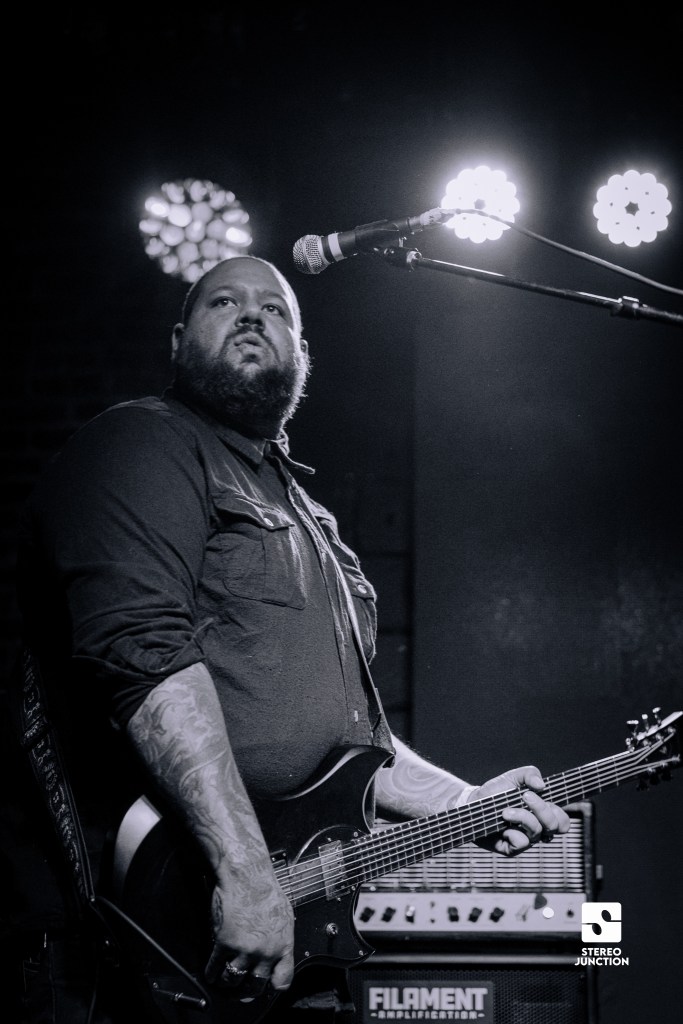
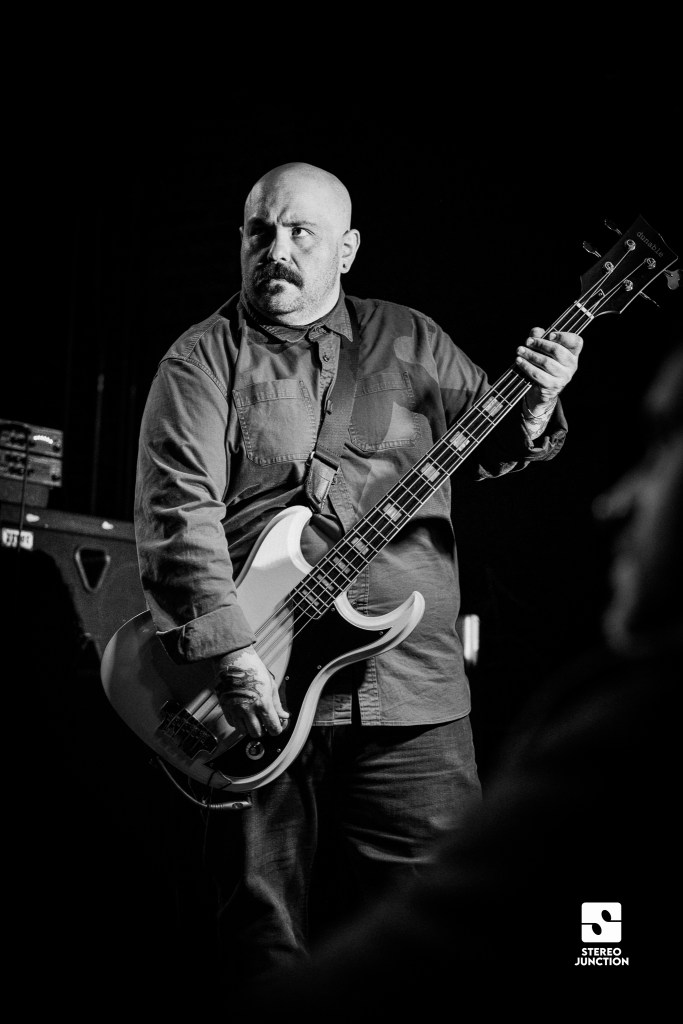

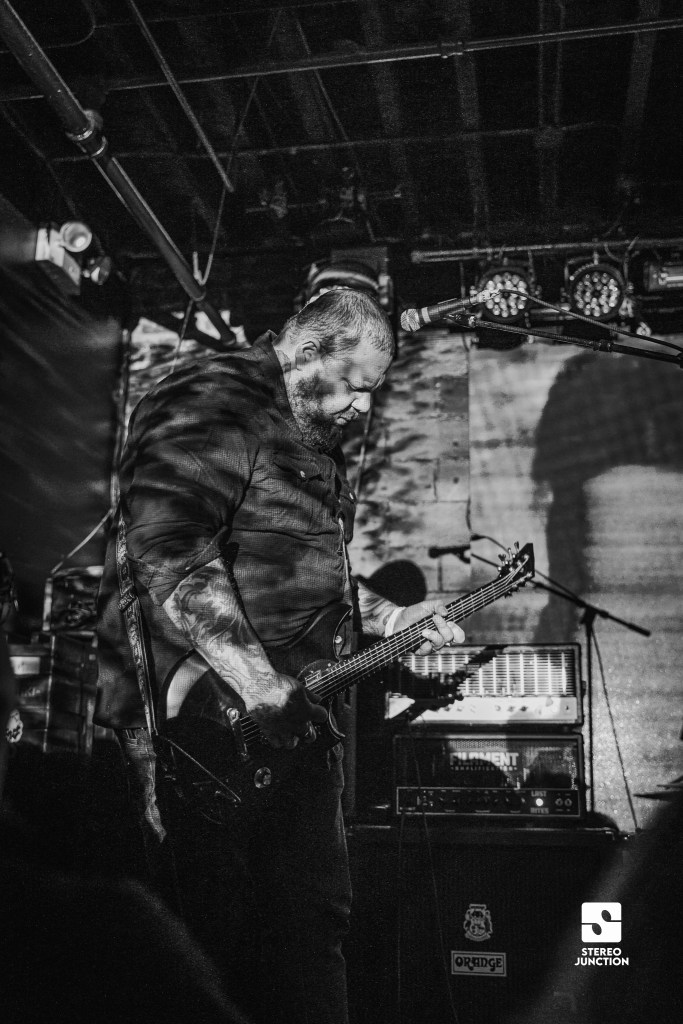
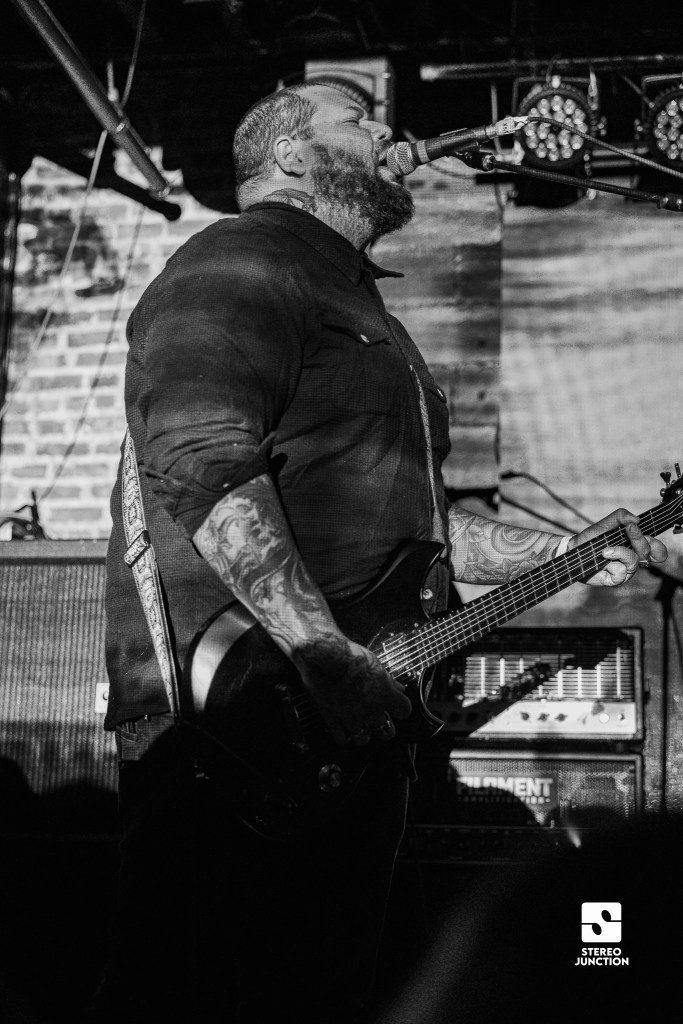

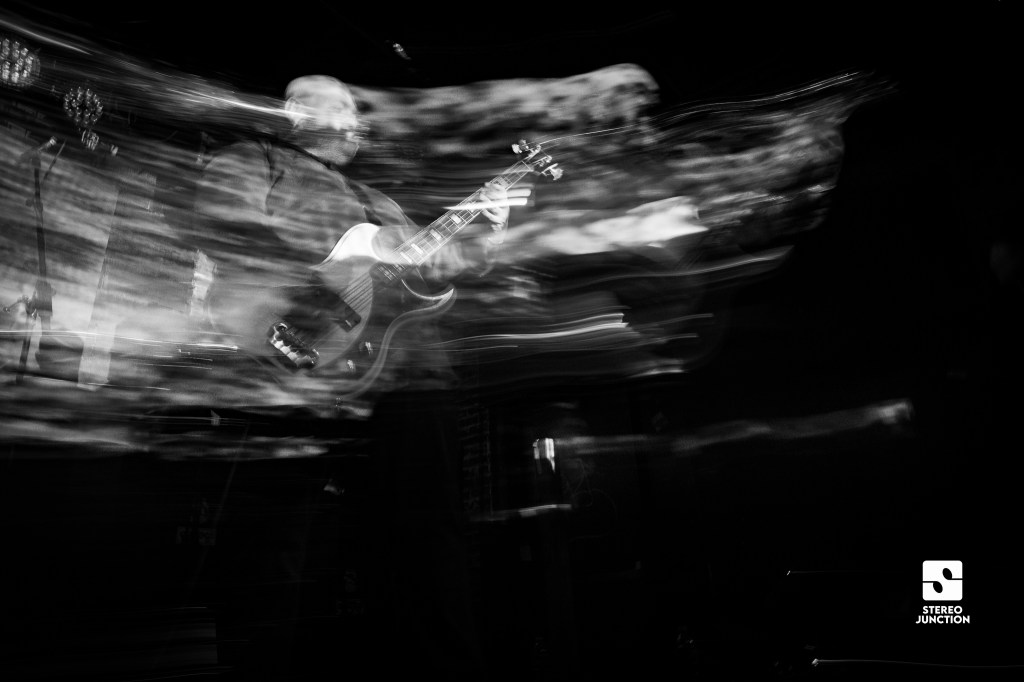
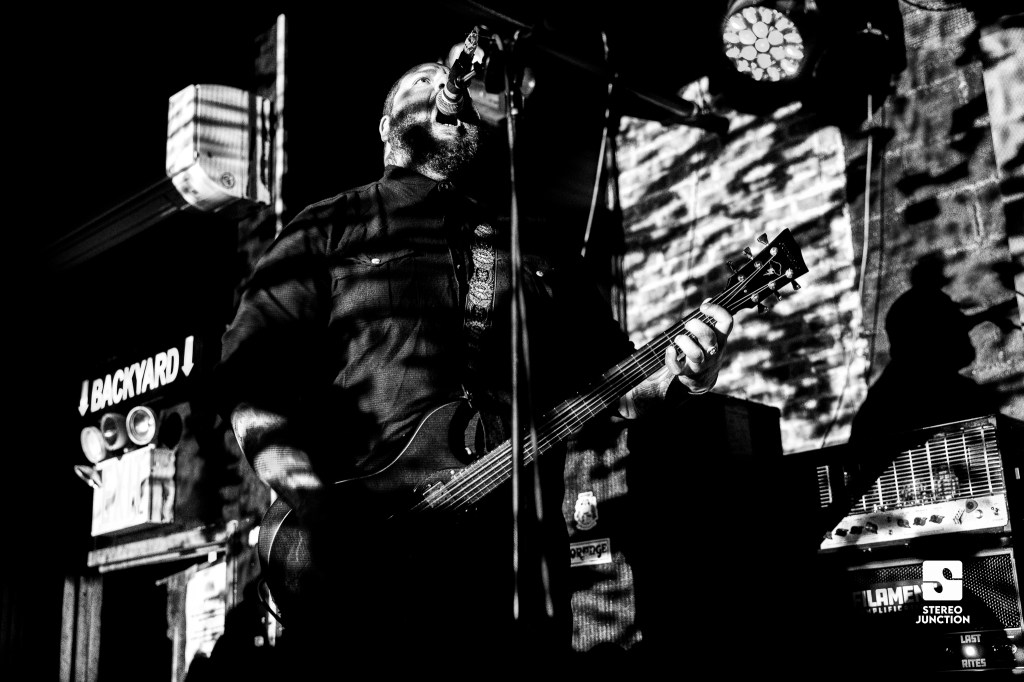
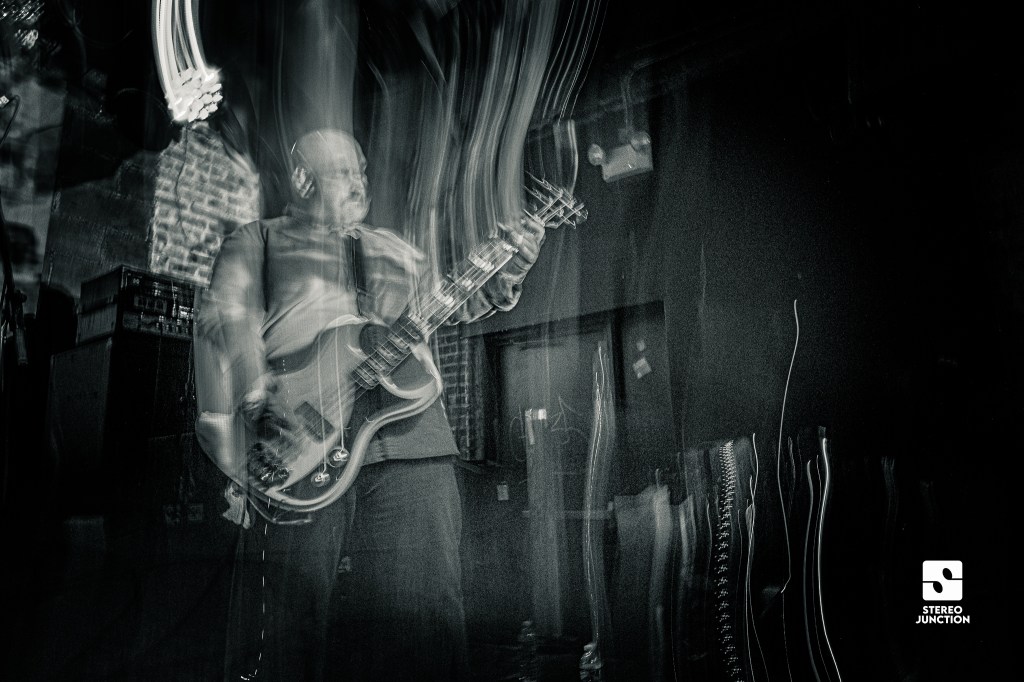


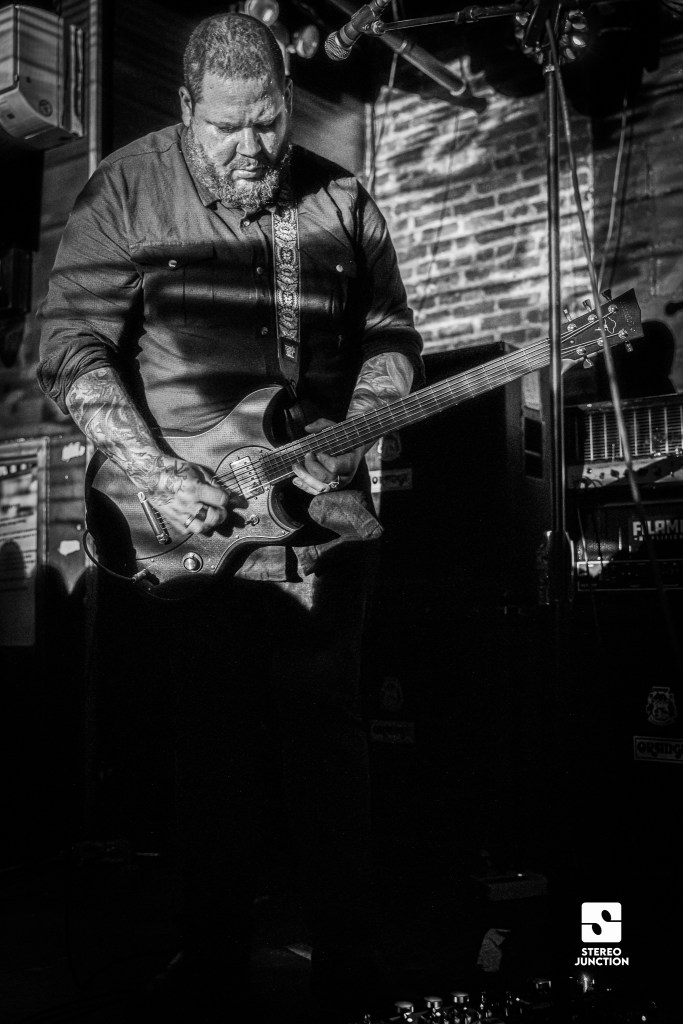


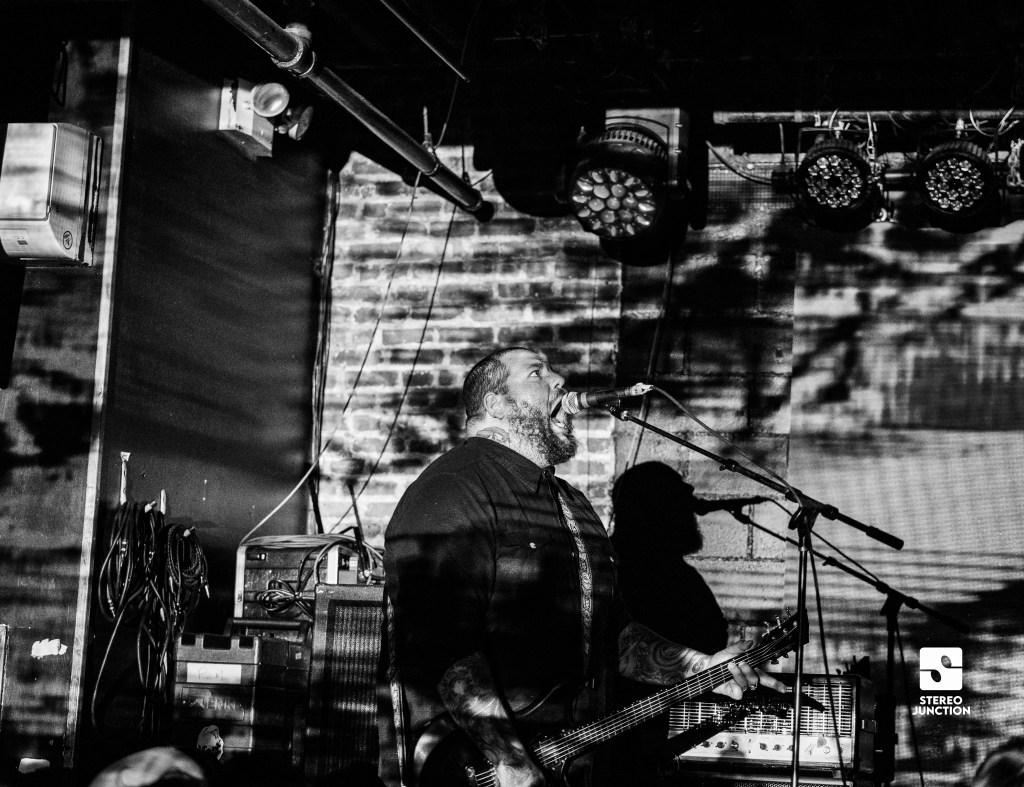
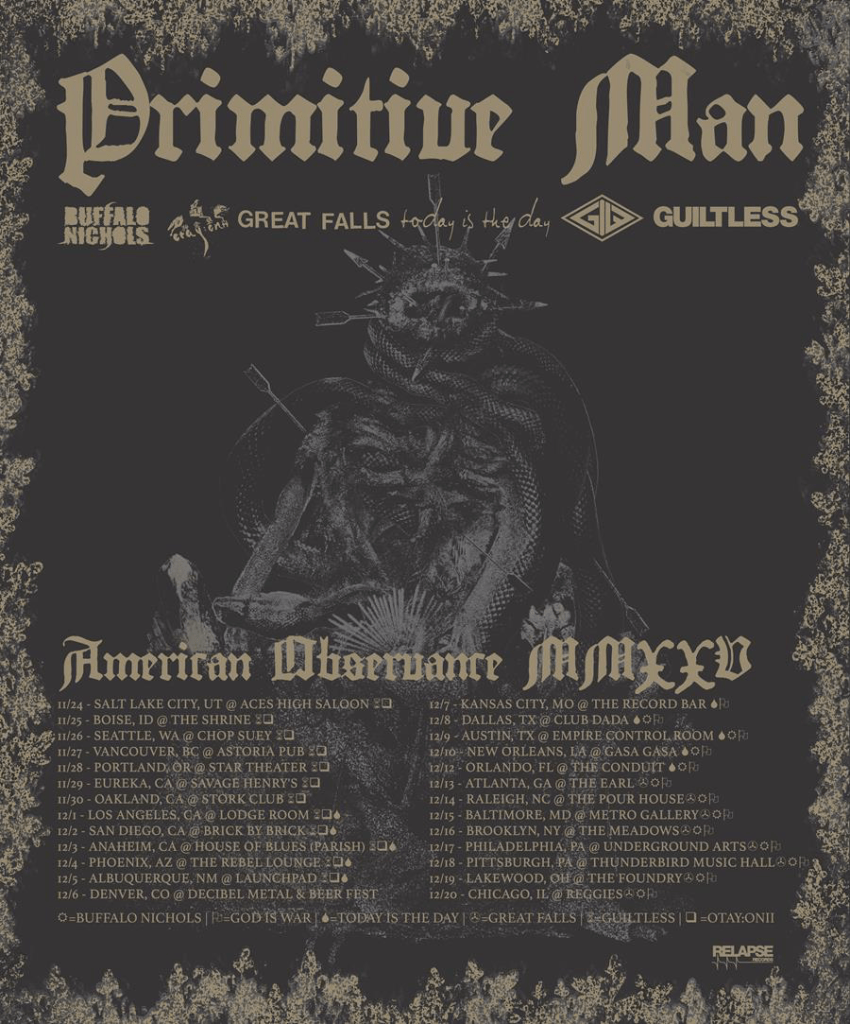
As the final act, Denver trio Primitive Man unleashed a performance that defined the night. The crowd spilled into the icy backyard of The Meadows, taking a moment to breathe and brace for the oppressive energy about to descend. By this point, the room was densely packed, many fans positioning themselves at the stage to fully immerse in the down-tuned, crushing riffs.
When the first samples kicked in, the stage came alive with dim blue lighting and shifting visuals, signaling the beginning of an hour-long sonic assault. From the opening note, Primitive Man delivered relentless, heavily picked riffs that landed with suffocating weight. Ethan McCarthy’s guttural vocals pierced the fog, bouncing off the walls, while Jonathan’s bass anchored the oppressive low end and Joe’s drums layered the performance with raw aggression. Cymbals slammed in perfect sync with Ethan’s lows, emphasizing the abrasive punch of each song.
While the set remained consistently heavy and down-tuned, the encore introduced a melodic, emotionally charged riff, providing a release after the relentless onslaught. Even in this softer moment, the intensity remained palpable, proving that Primitive Man’s power is not just in volume—it is in the deliberate, crushing delivery of every note and beat.
Primitive Man’s set transcended performance—it was a physical, immersive experience, the culmination of a night spent exploring extremes of sound and intensity. From IDM to noise rock to sludge, each act contributed to a narrative of heaviness, tension, and emotional extremity. The Denver trio doesn’t just play music; they construct atmospheres that linger, resonate, and demand attention. For anyone present, the night was a vivid reminder of why extreme music, in all its forms, continues to command devotion, awe, and unrelenting fascination.

 Stereo Junction
Leave a comment