
As I pulled out of the city, the sun was slipping into that amber, hazy golden-hour glow that makes everything feel briefly cinematic. If I hadn’t been inching forward through the soul-crushing traffic of North Jersey, I might’ve actually enjoyed watching the NYC skyline fade out in the rearview mirror as I crossed the Hudson.
There’s a certain irony to a pilgrimage that mostly consists of staring at the brake lights of a Honda Accord. For a lineup like this, you expect Manhattan, Brooklyn, maybe a dark basement with questionable wiring. Metal is baked into New York. Instead, the GPS pulled us west—out to Montclair’s Wellmont Theatre.
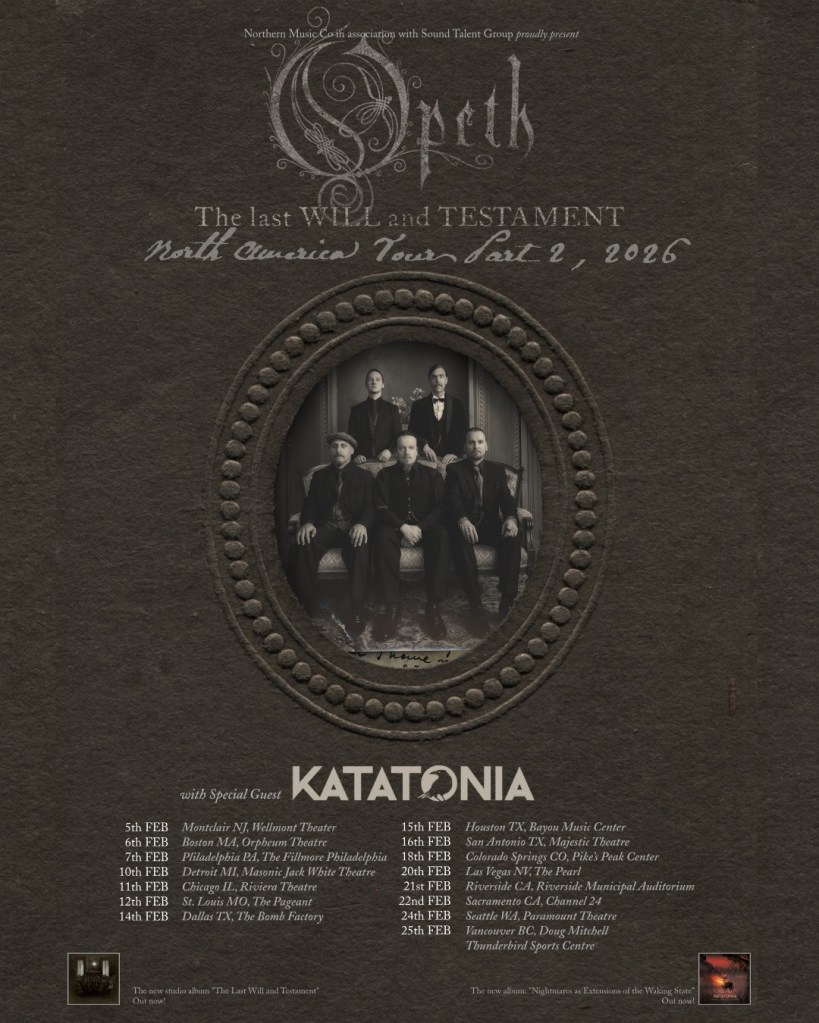
It felt like an odd suburban detour for something this significant. This wasn’t just another tour stop. This was night one of the entire North American run—the first of fifteen dates stretching coast to coast, ending all the way in Vancouver. Being there for the very start of that sprint made the stop-and-go misery feel like a necessary tax. Two Swedish titans like Opeth and Katatonia don’t share a stage often, and by the time I reached the theater, the frustration of the drive had already been replaced by that specific buzz that only exists on opening night.
The calm of golden hour was long gone when I arrived. Hundreds of us were packed together outside, black hoodies pulled tight against a wind that cut straight through you. That kind of cold that makes you question every decision that led you to standing on a sidewalk instead of at home.
Once the doors opened, it was chaos. Security was in full opening-night mode, barking orders to empty pockets and strip down to the essentials. Nothing snaps you out of a traffic-induced fog like being yelled at by a guard at full volume. After a rushed pat-down and the familiar ritual of stuffing phones and keys back into numb fingers, I pushed inside. The icy air of Montclair was instantly replaced by warmth, stale beer, and anticipation.
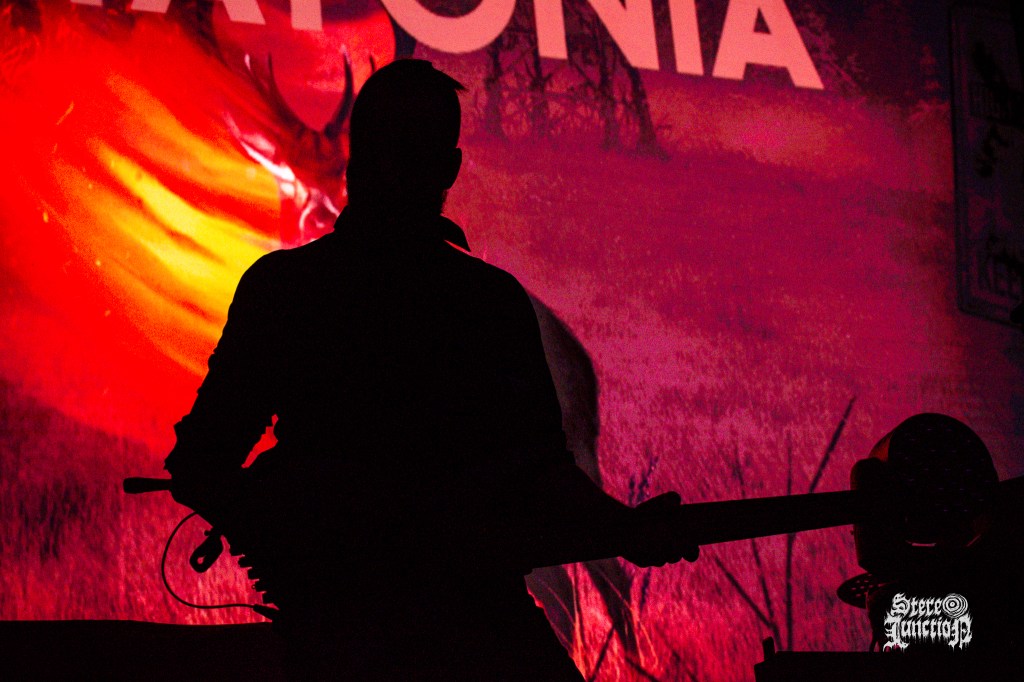
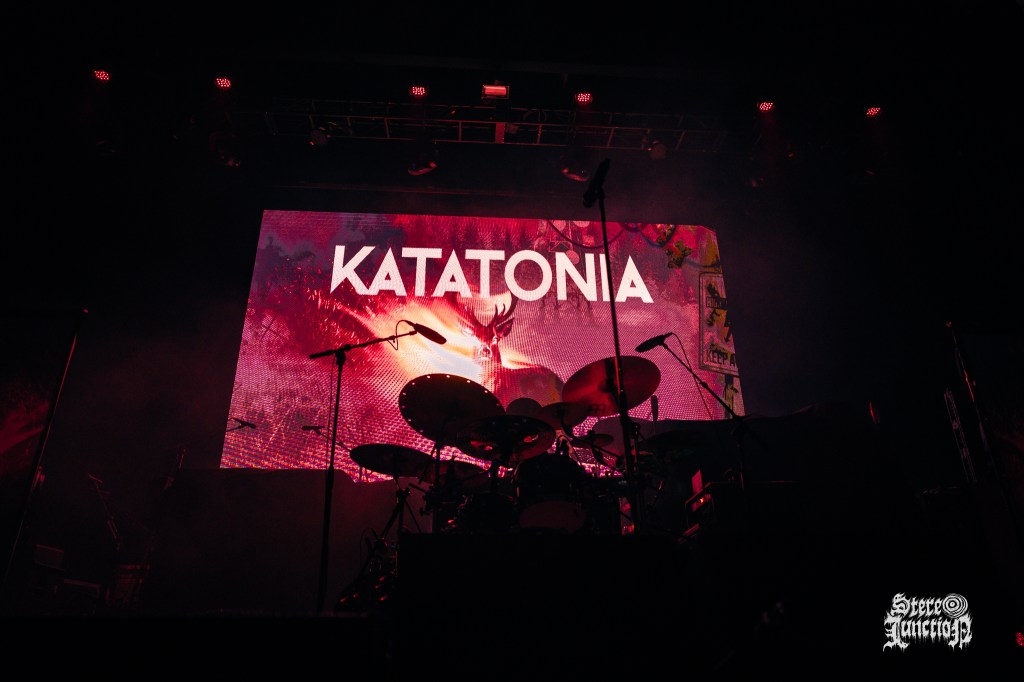
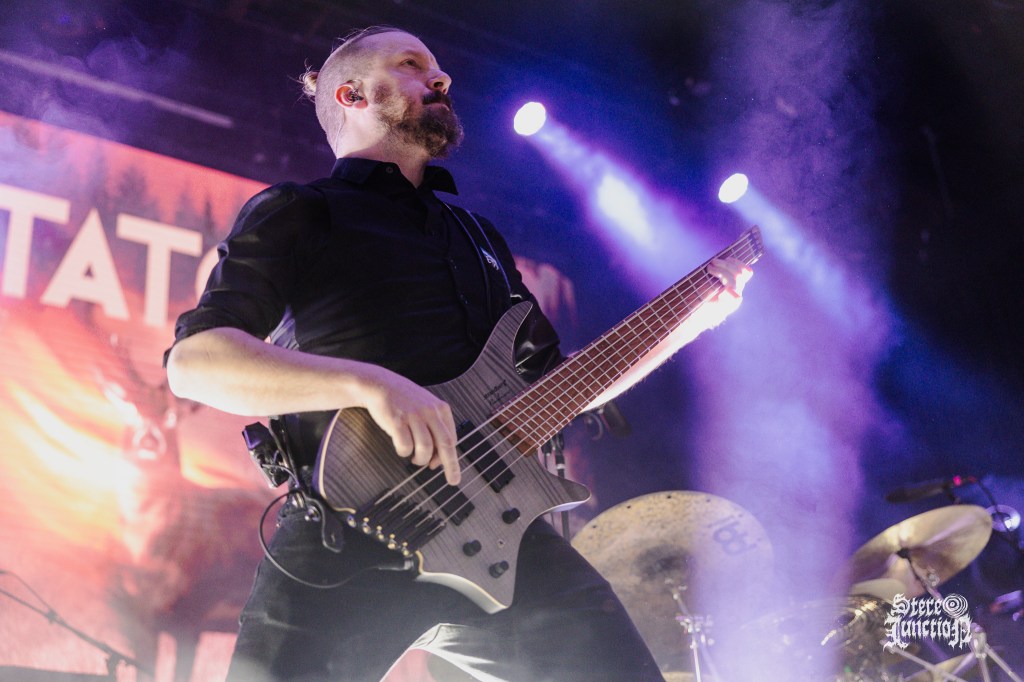
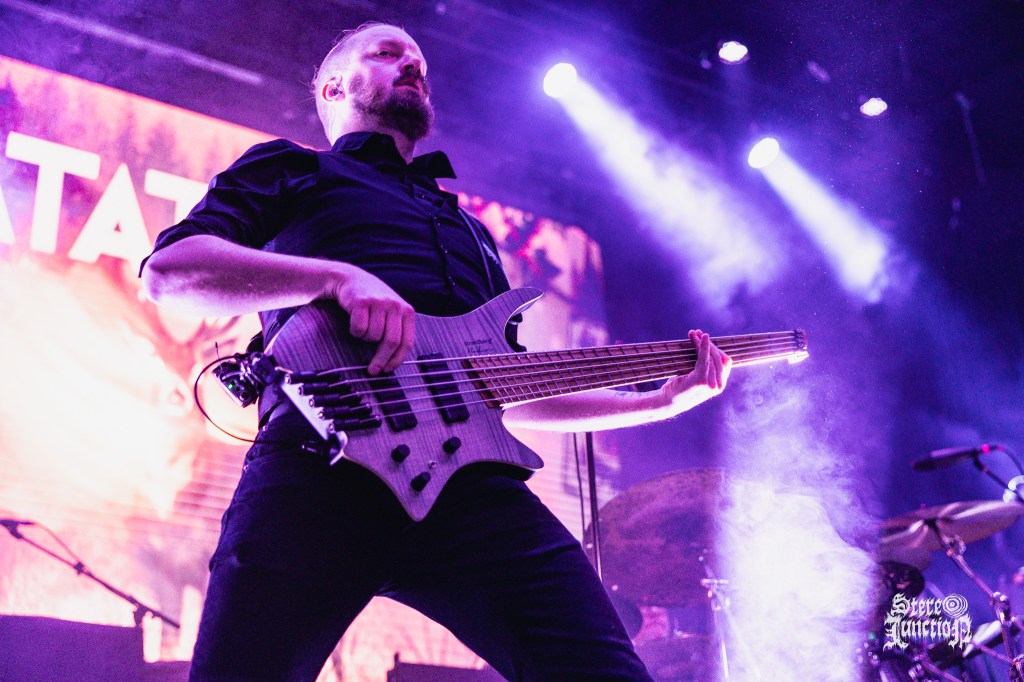

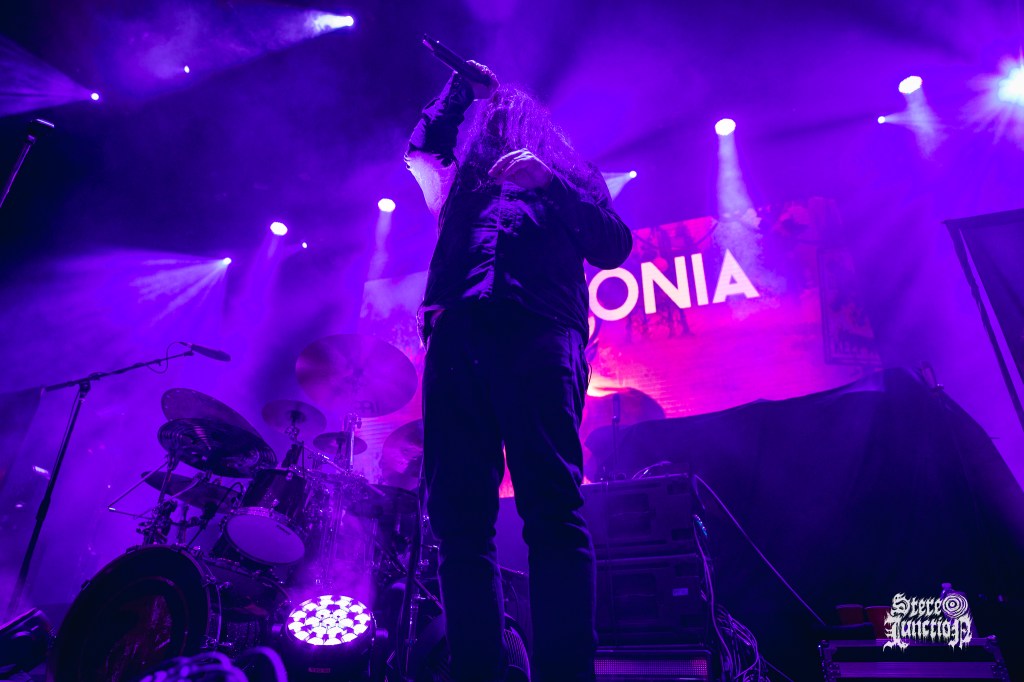
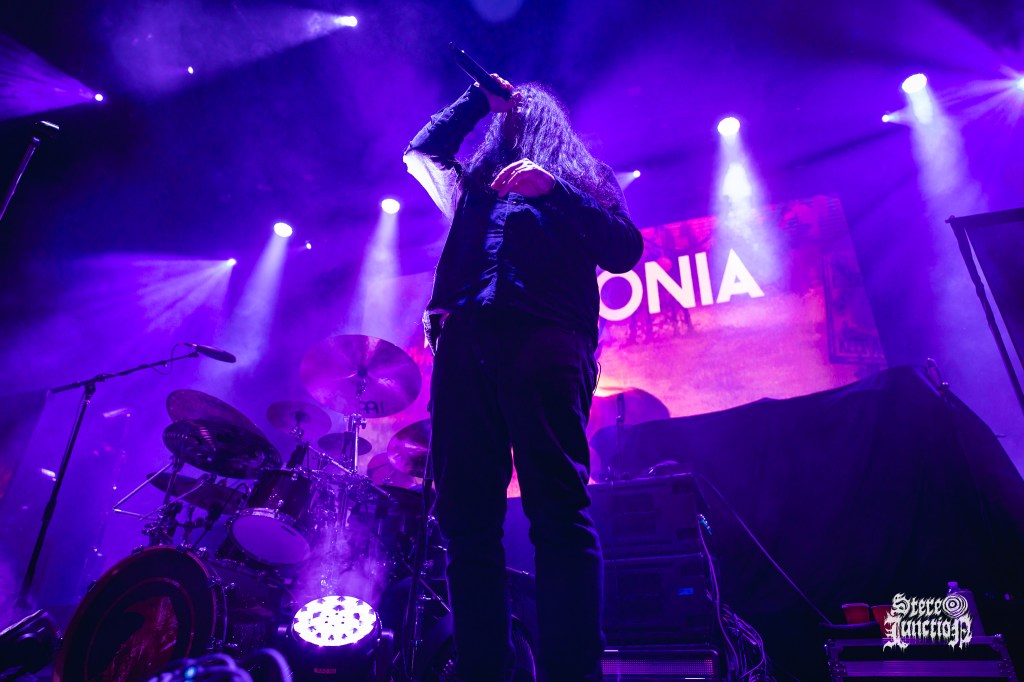
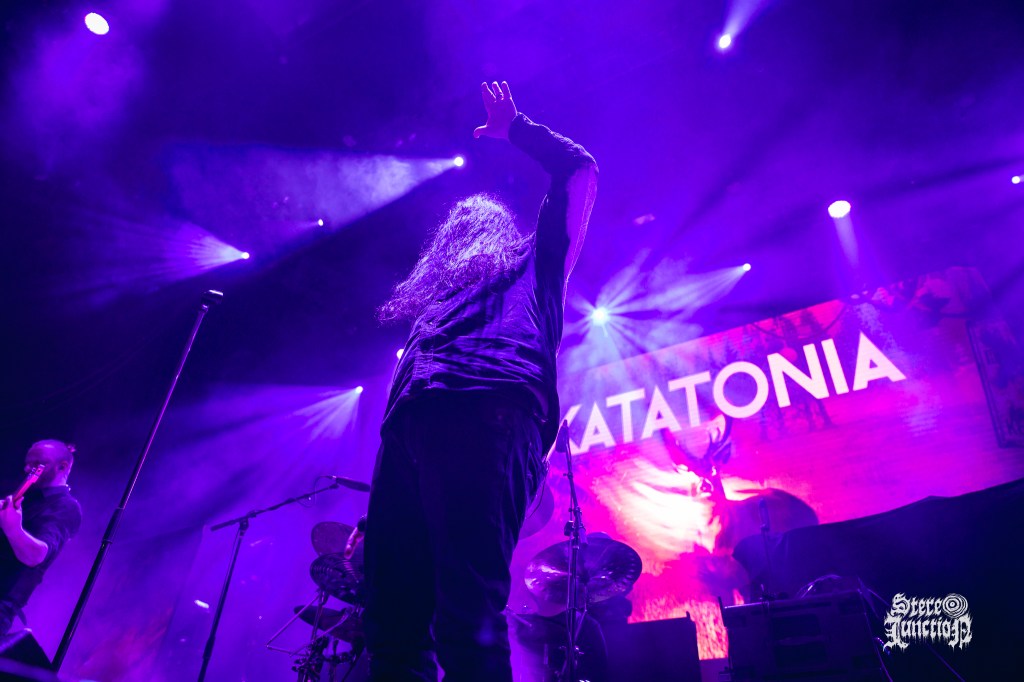
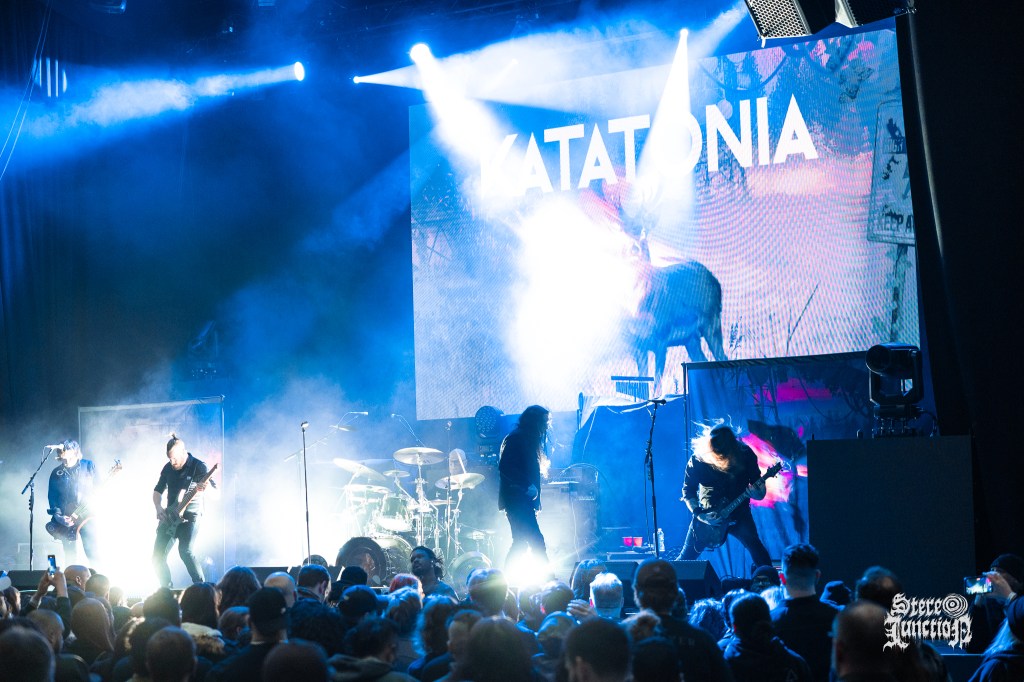
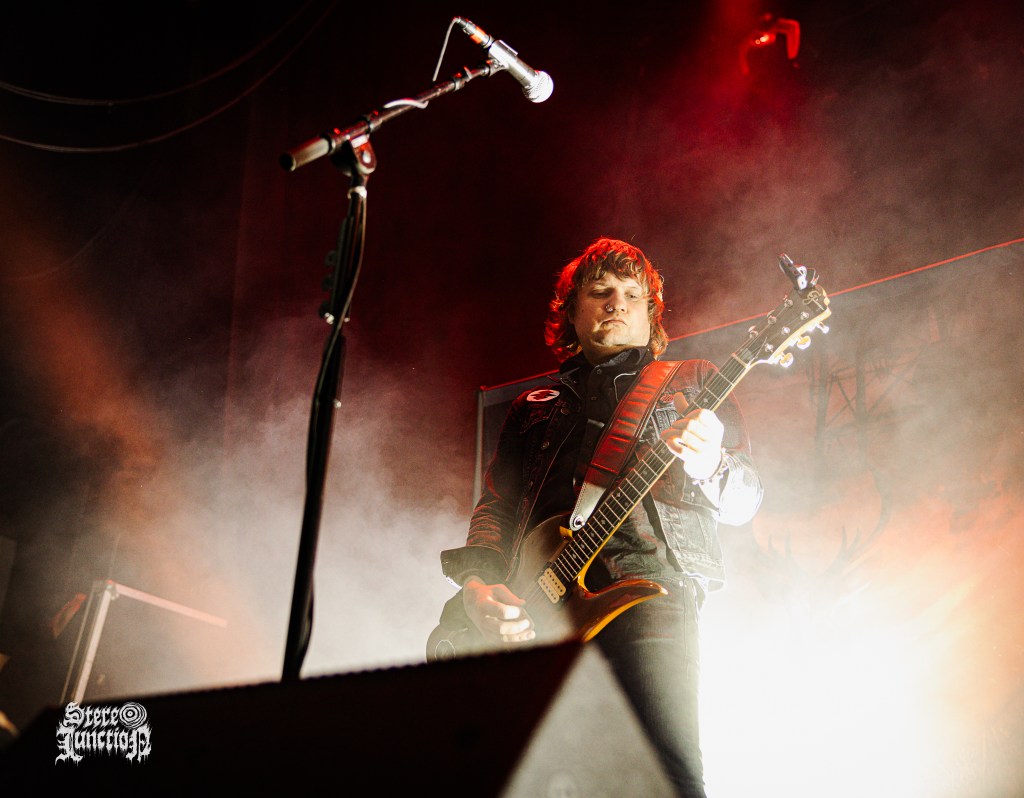
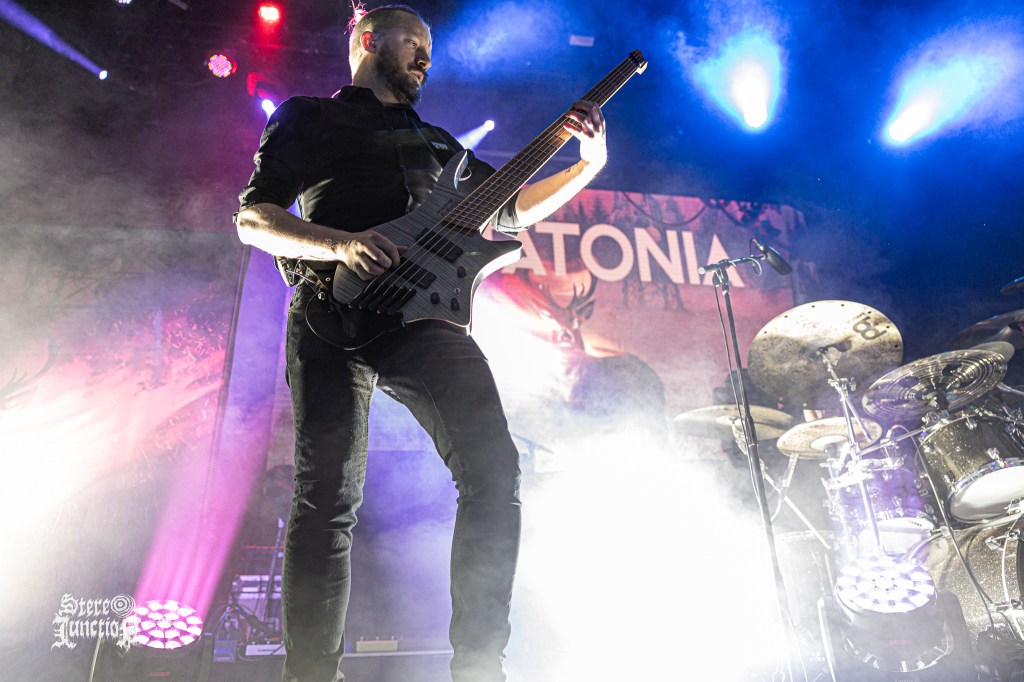
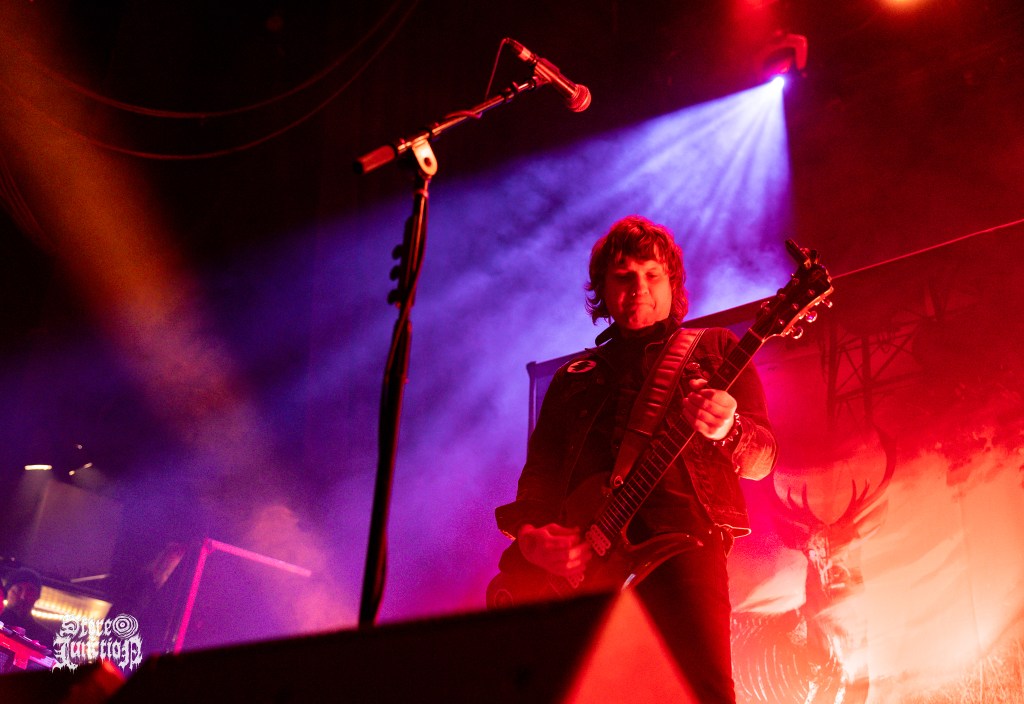
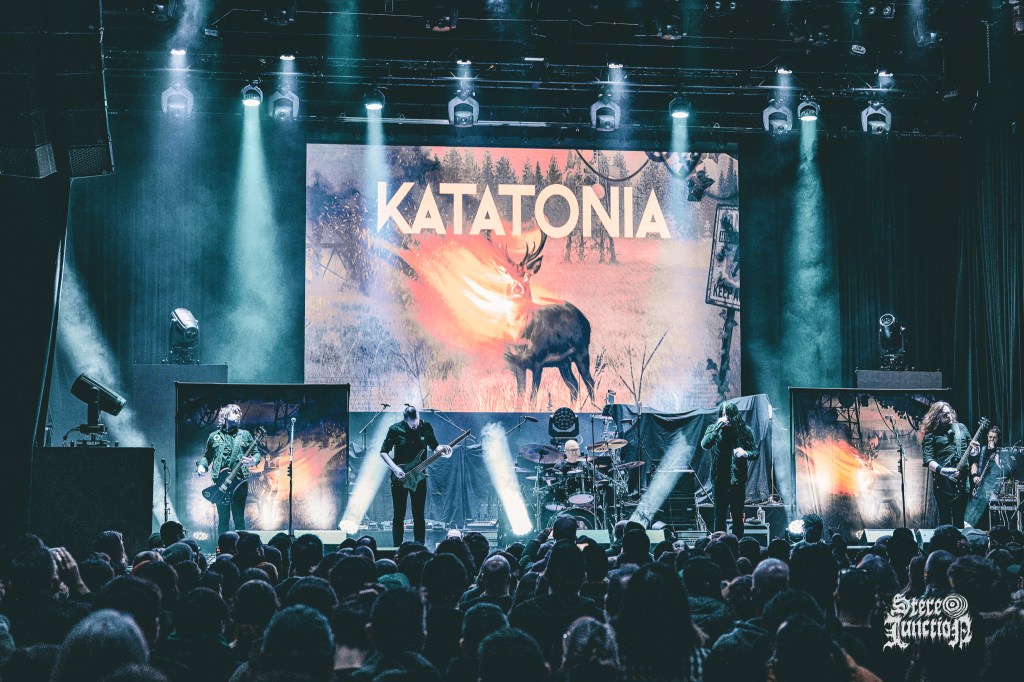
This was my second time seeing Katatonia since 2022, and a lot has changed—both in the world and within the band. This is officially a new era. Seeing them without Anders Nyström still feels strange; his presence has been foundational for so long that his departure right before the new album marked a clear turning point.
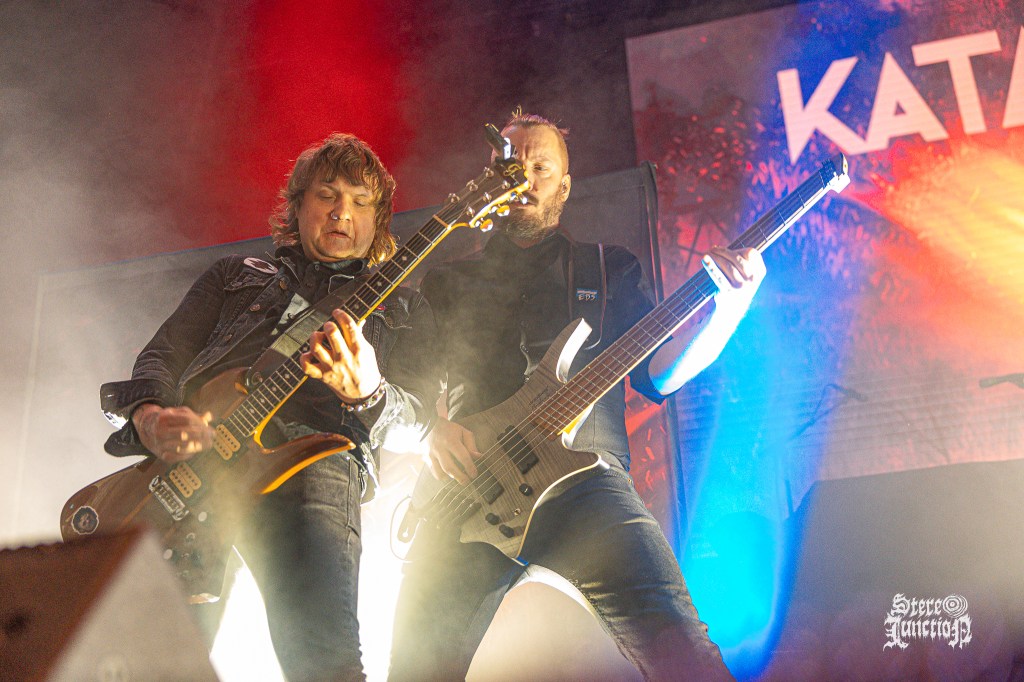
I was especially looking forward to seeing the full new lineup with Sebastian Svalland and Nico Elgstrand. That plan fell apart just before the band landed in the States, when Nico couldn’t make the trip due to visa issues. Henrik Palm stepped in at the last minute, keeping the show intact, but it meant the complete “new era” lineup would have to wait for another tour.
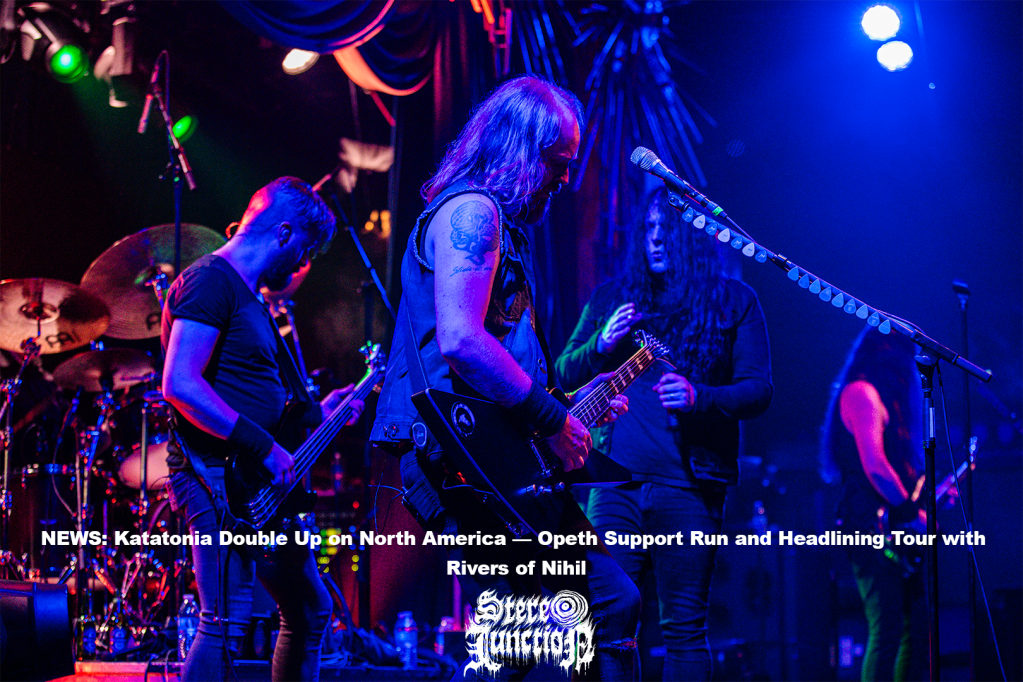
They hit the stage right at 7:30 PM, opening the very first night of the tour. The second the lights dropped, the Wellmont erupted. They opened with “Thrice,” immediately signaling that this set would lean into their newer, more progressive material rather than playing it safe.
With the guitar changes, the band’s overall feel has shifted—and you can hear it. The tones carry a different bite now, a different intensity. It’s subtle, but unmistakable if you’ve followed them for years. Despite the last-minute lineup shuffle, Katatonia sounded tight.
The set flowed naturally, moving from the forward drive of tracks like “Austerity” and “Dead Letters” into more atmospheric territory. The middle of the set was the emotional peak—“Old Heart Falls” sliding directly into “July” felt massive. That’s when the room fully synced up.
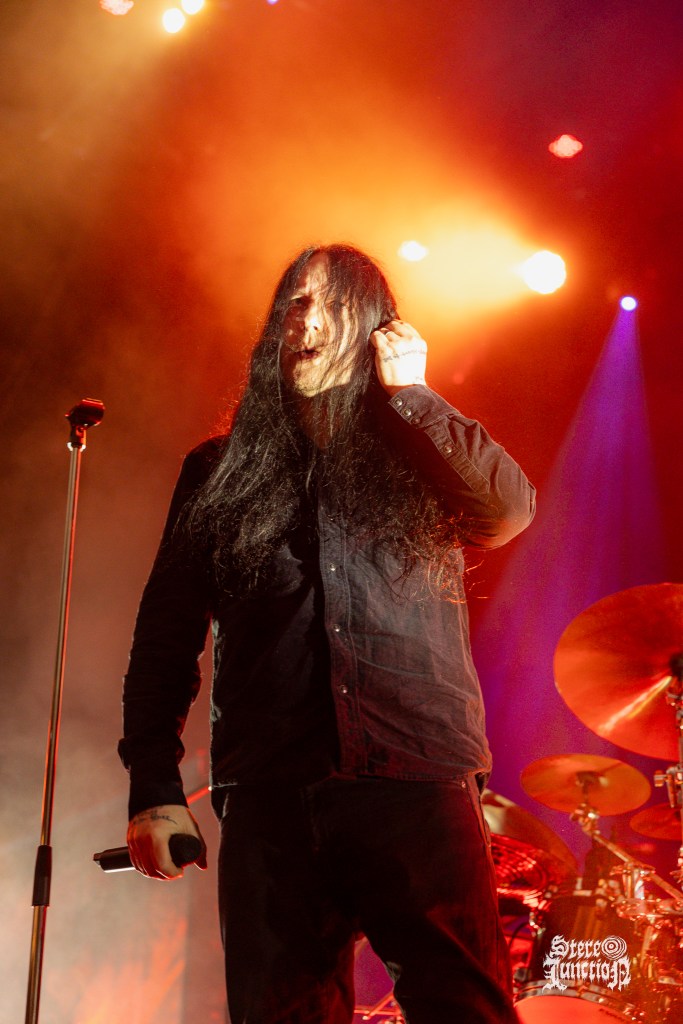
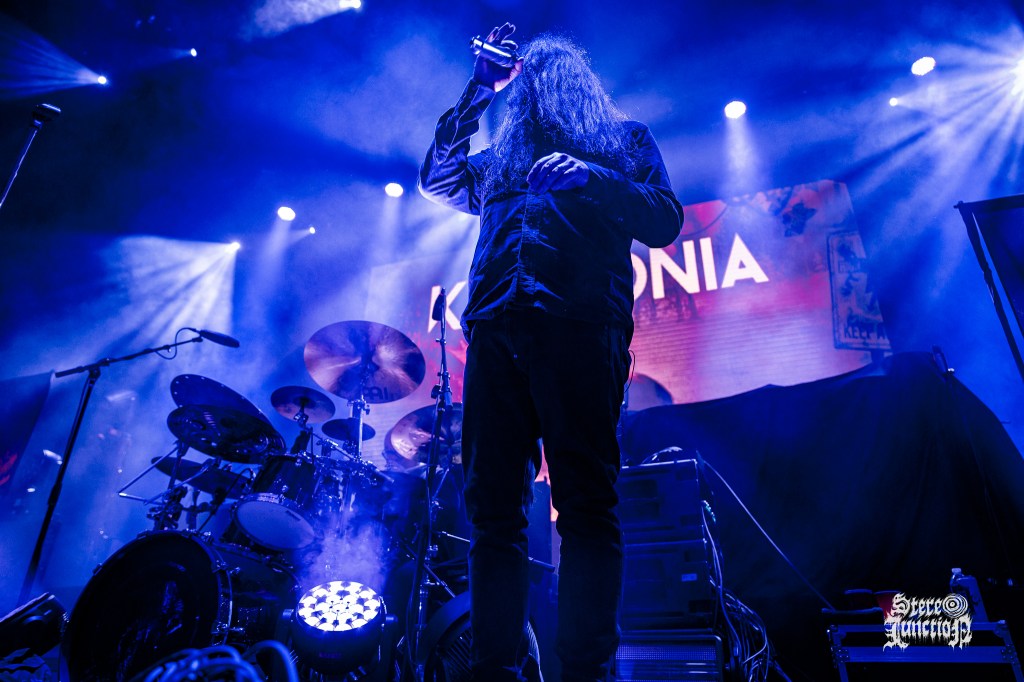
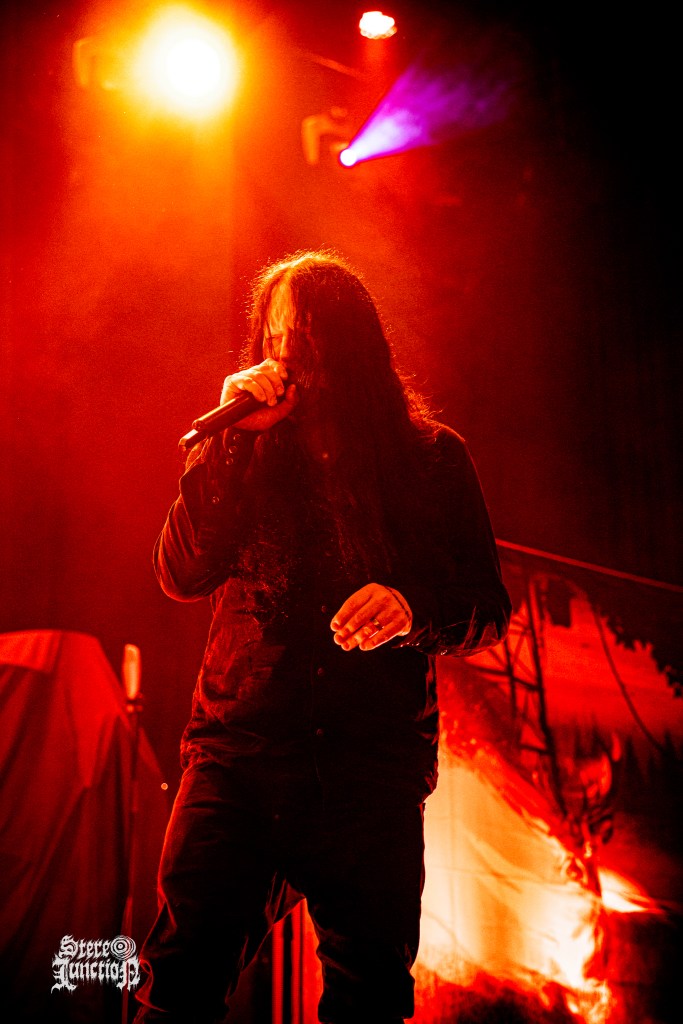
What hasn’t changed is Jonas Renkse. He remains the anchor. Standing mostly in shadow, hair falling over his face, he sounded as haunting as ever—fragile one moment, heavy the next, always controlled.
They closed their hour with Forsaker, which still lands like a brick wall live. It wasn’t the exact lineup people expected, but the set was dense and powerful—exactly what it needed to be. A perfect handoff.
By the time Katatonia wrapped up, the room was packed wall to wall. The usual breathing space near the back and soundboard was gone completely. The calm, melancholic atmosphere gave way to restless energy during the changeover. Getting a drink or merch became a mission, and moving through the crowd meant pushing past layers of leather and denim. Everyone appreciated the opener—but it was obvious who most people were there for.
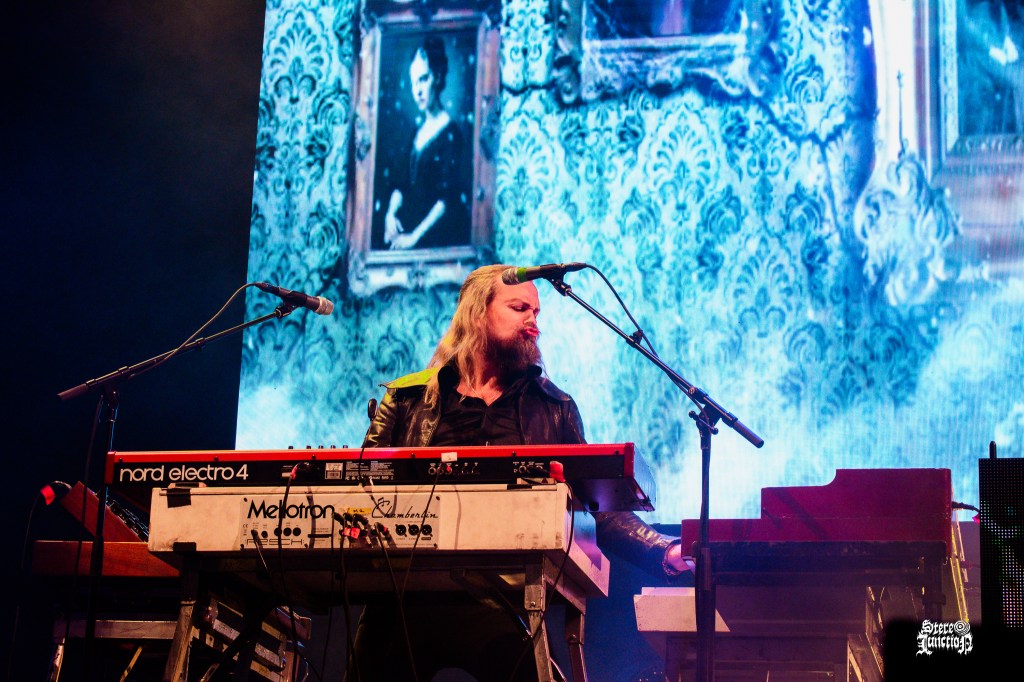
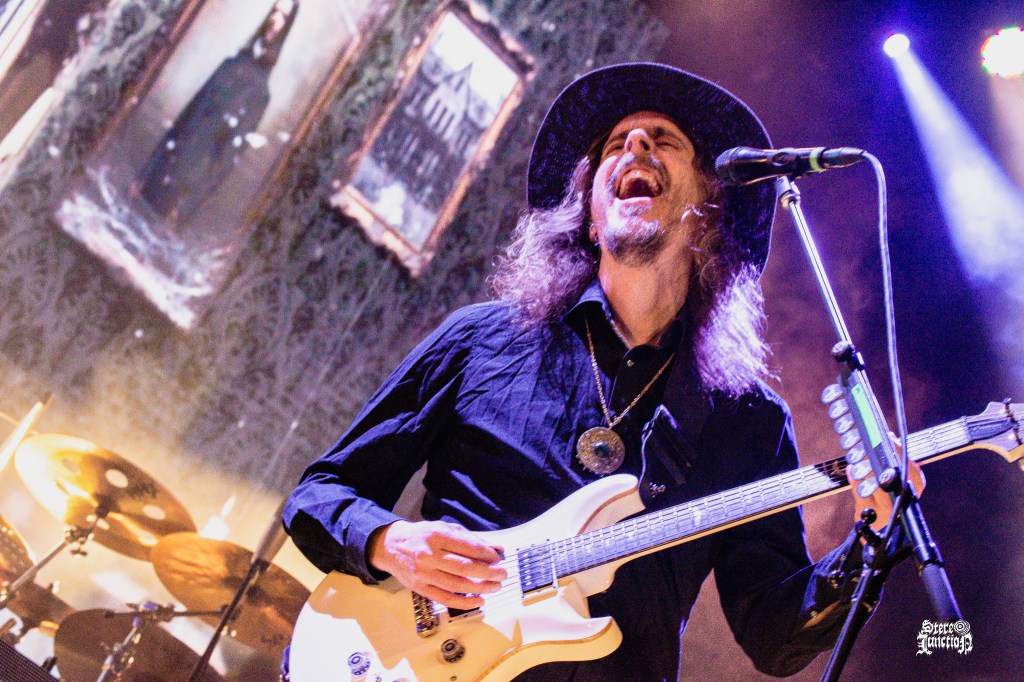
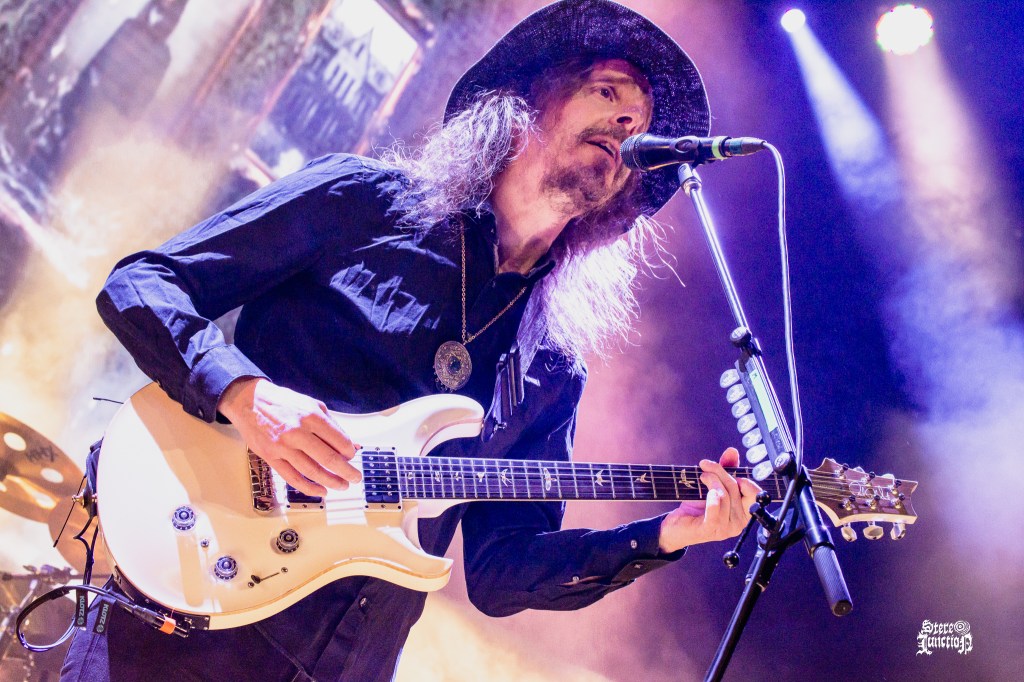
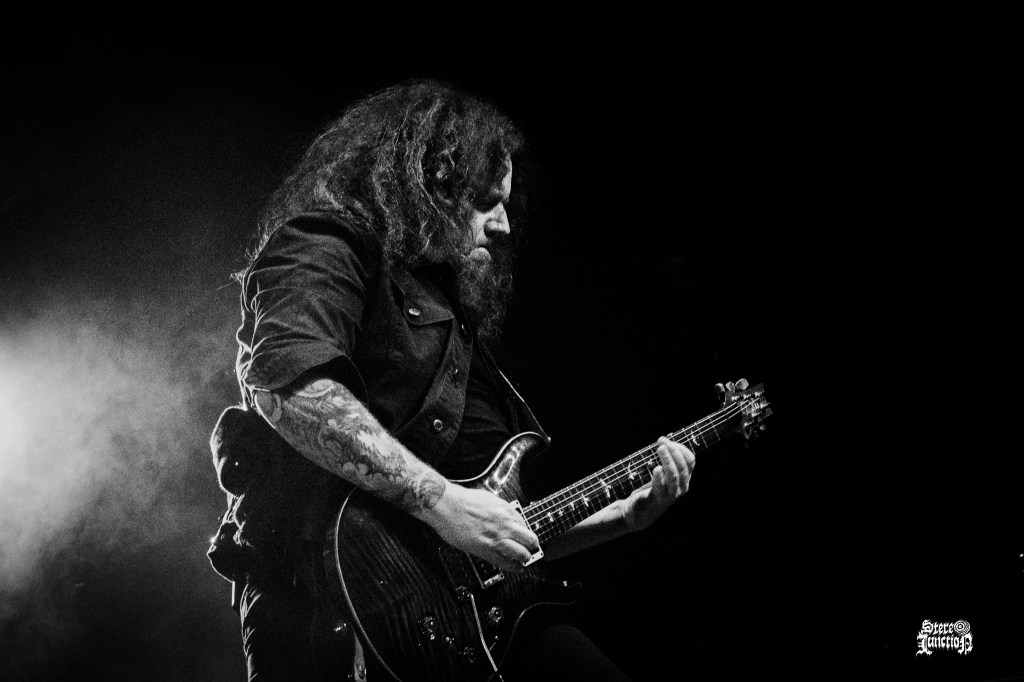
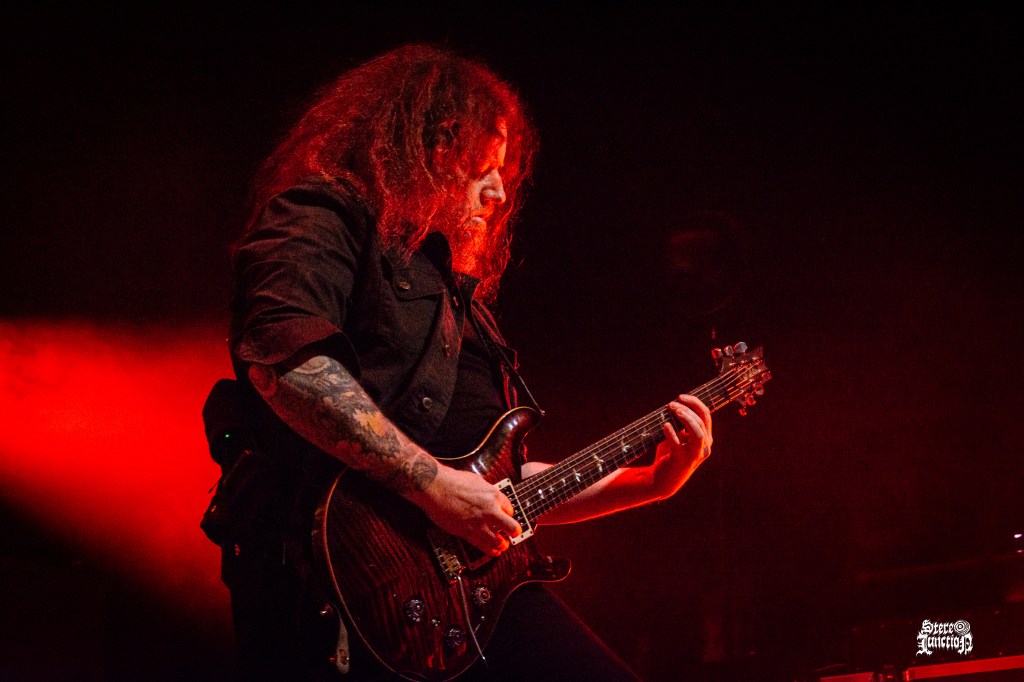
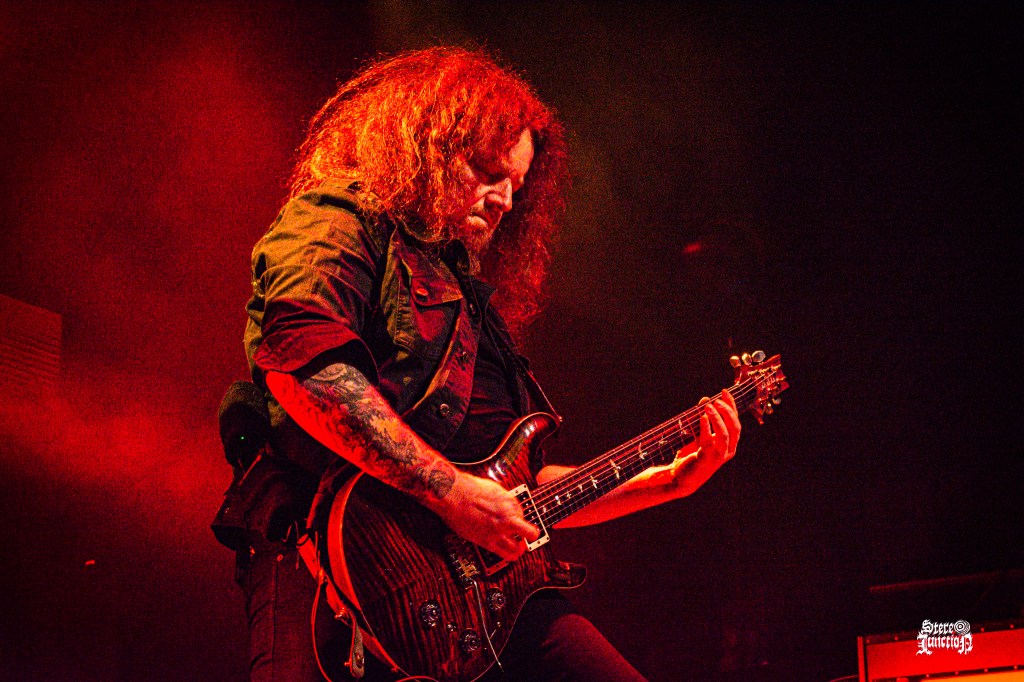
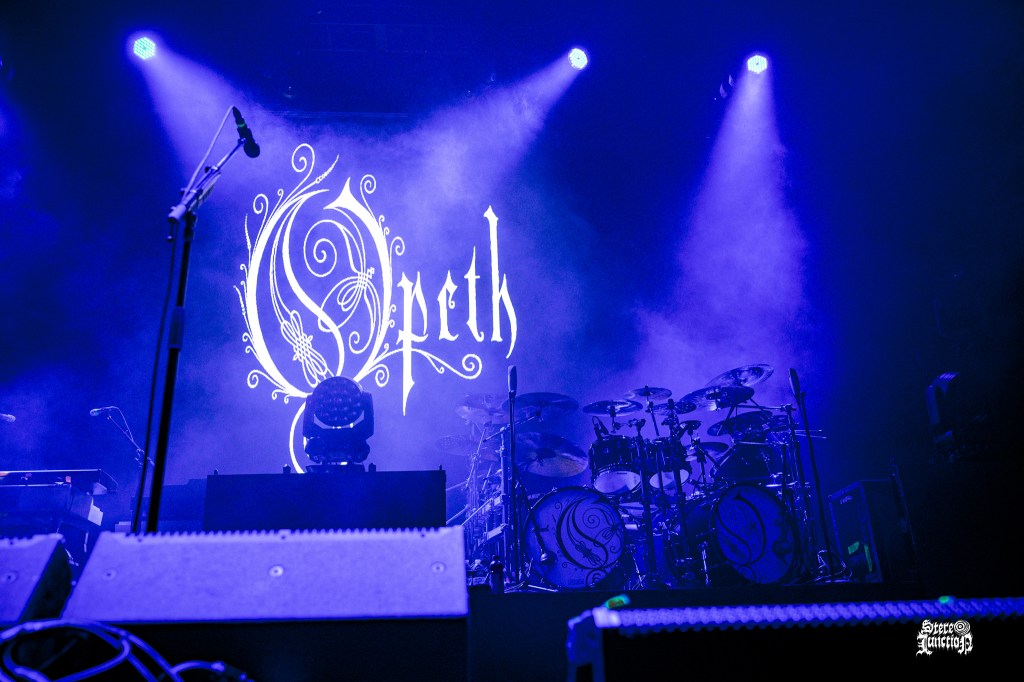
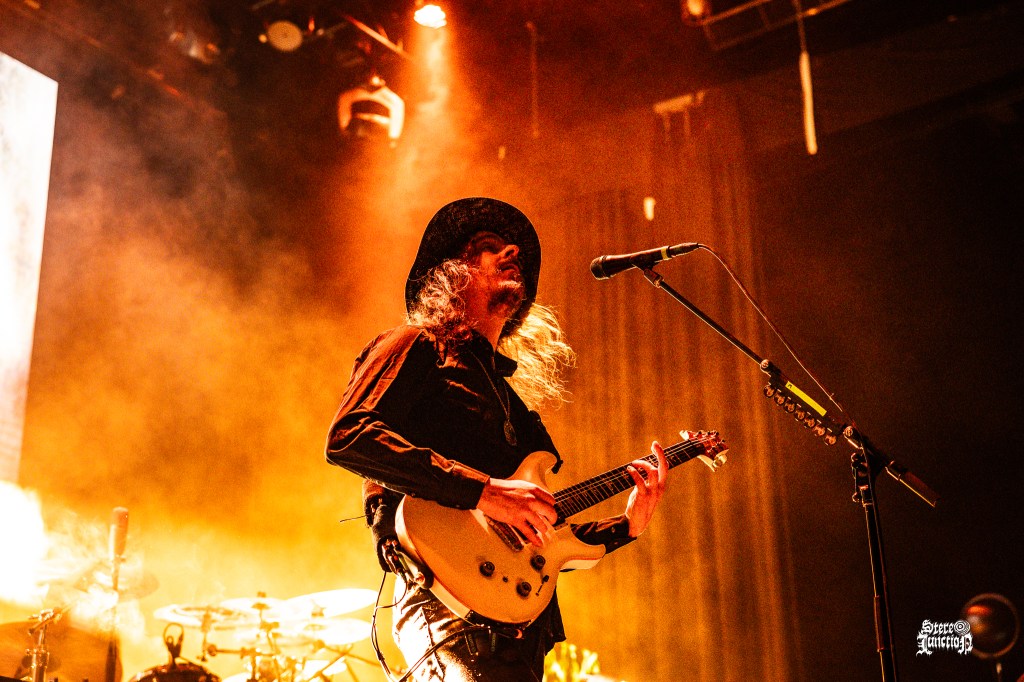
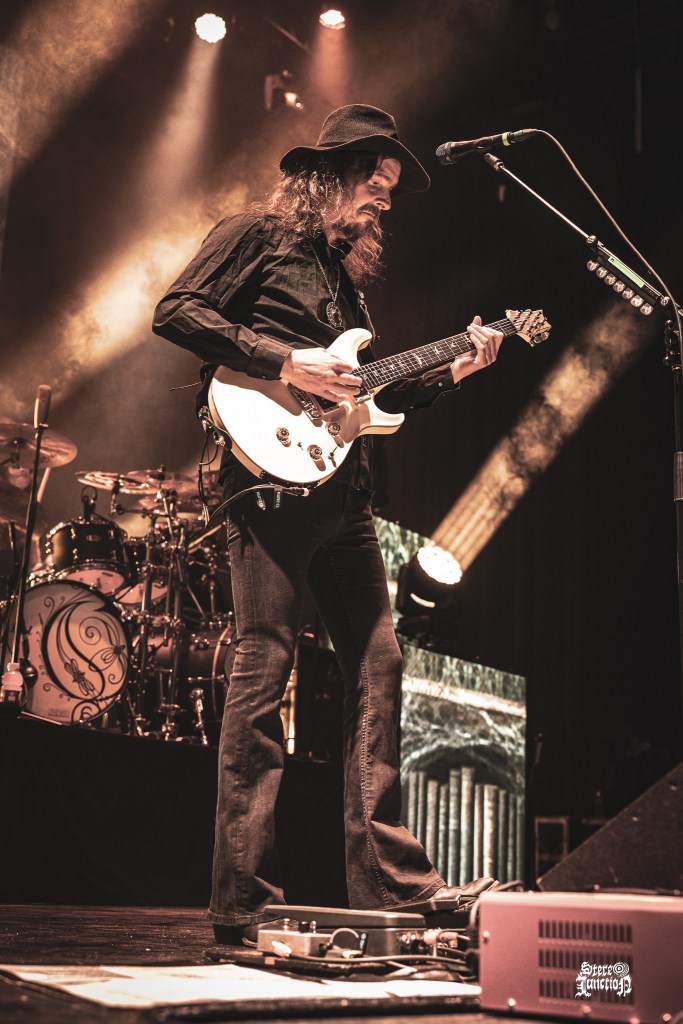
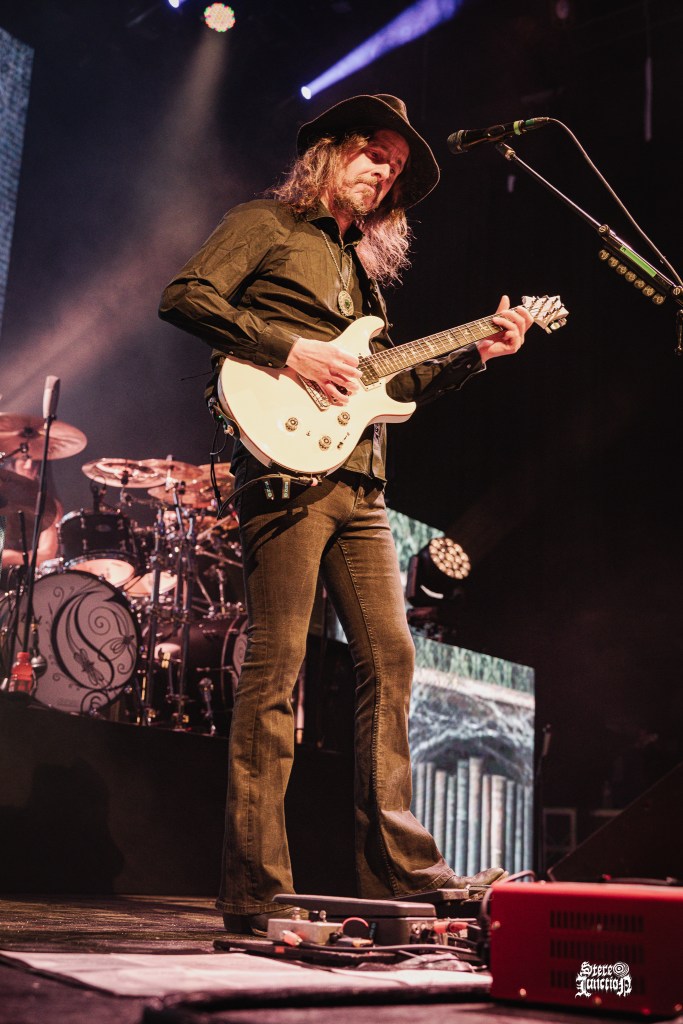
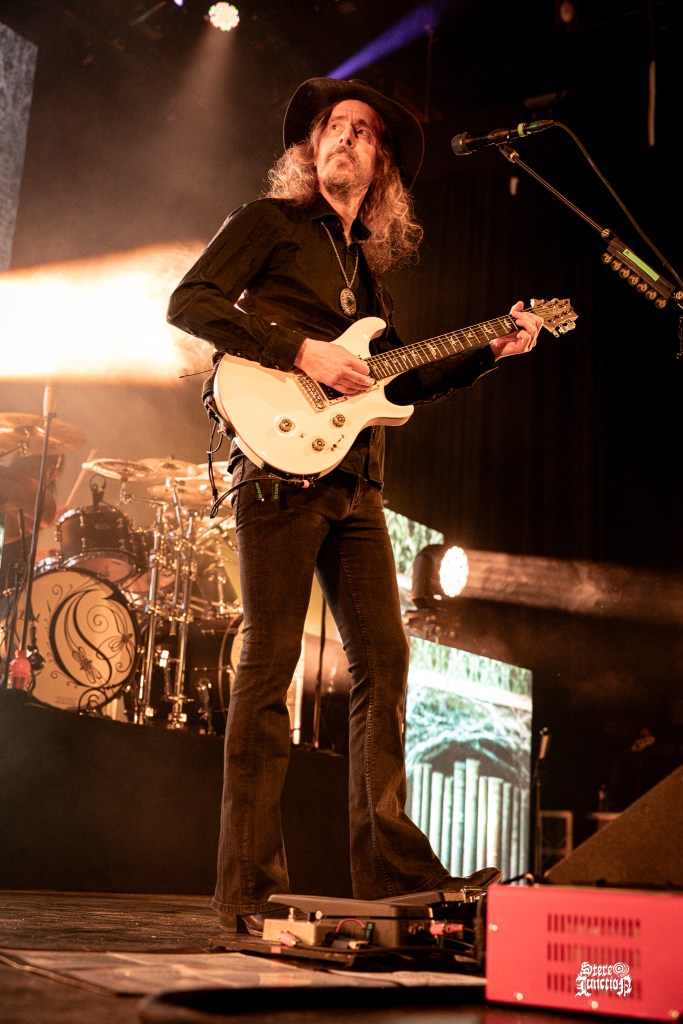
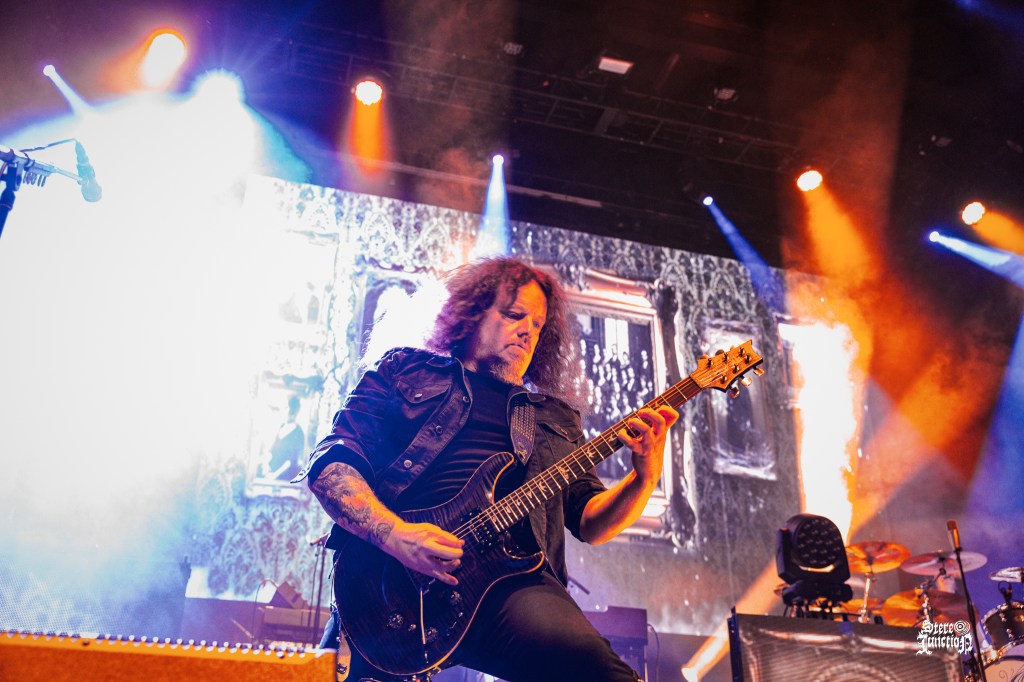
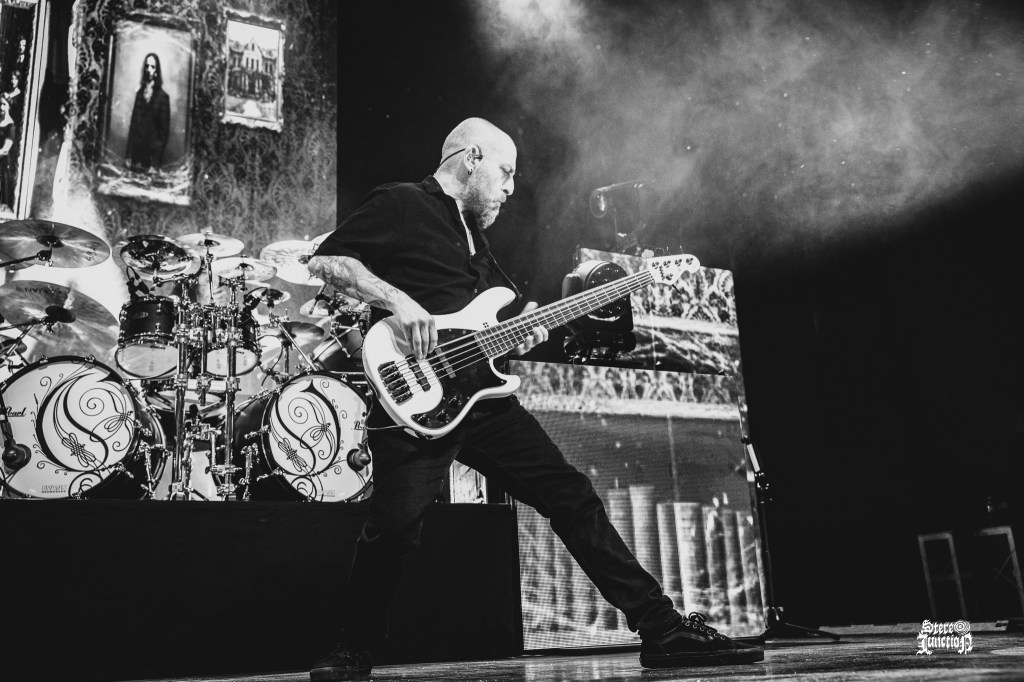
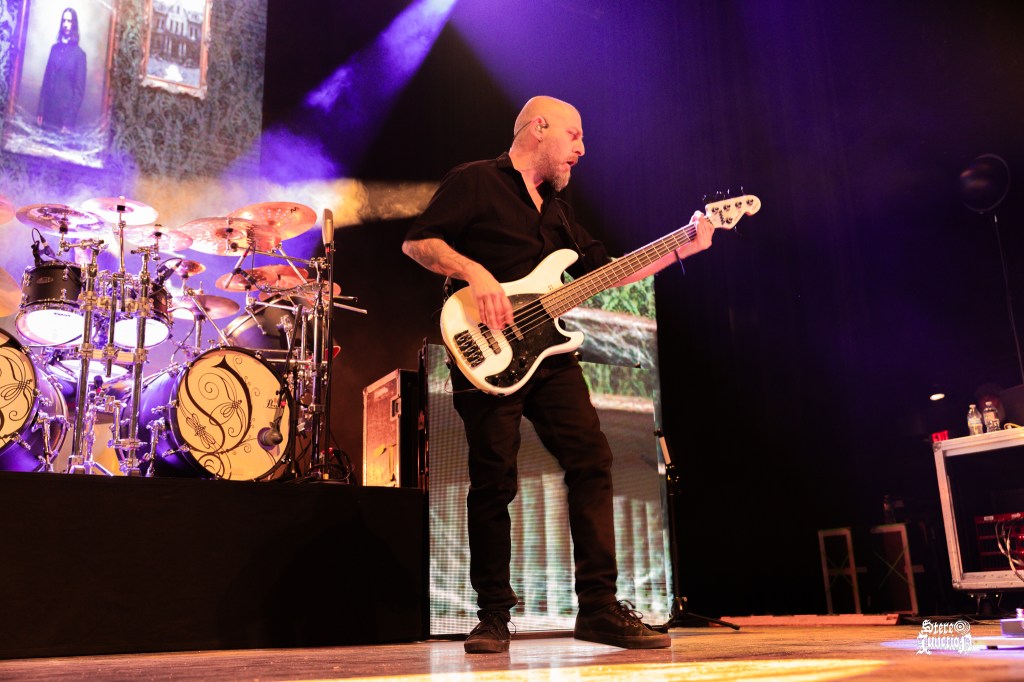
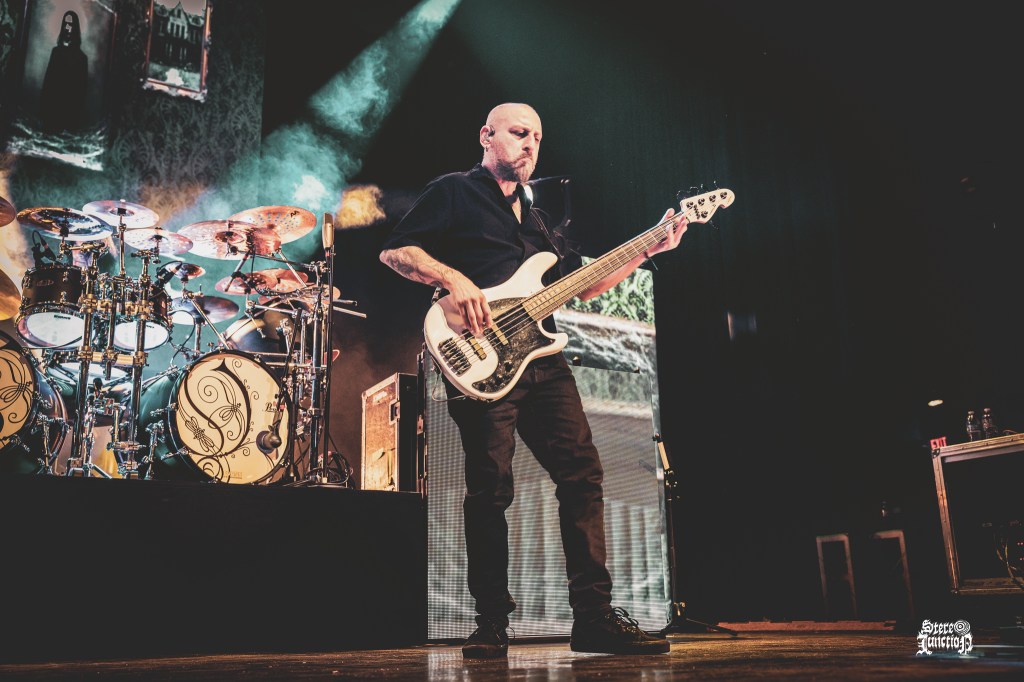
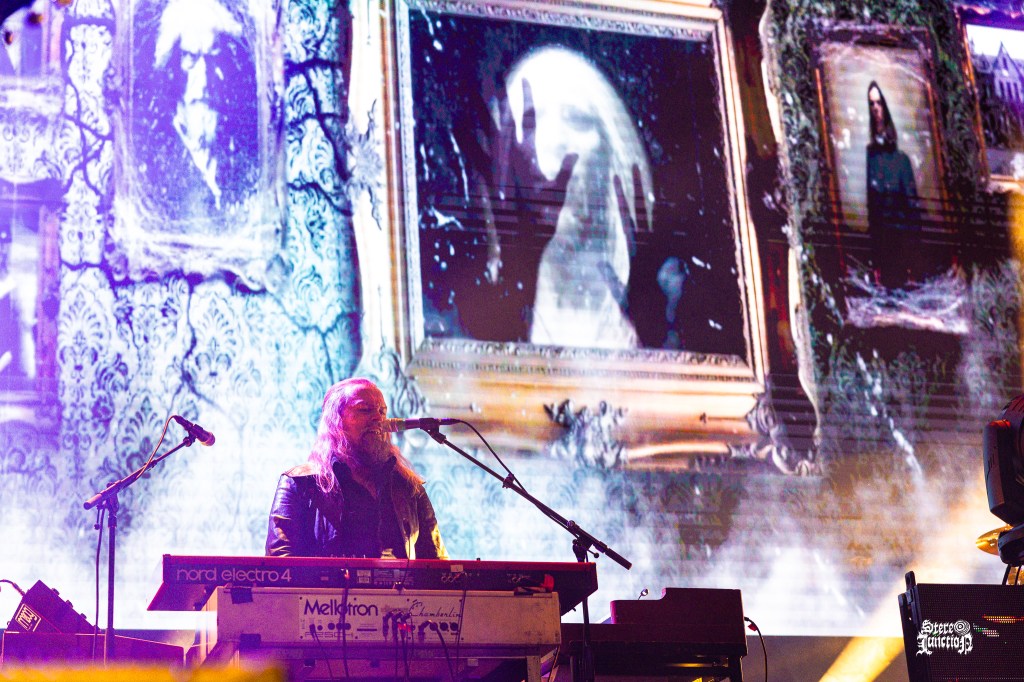
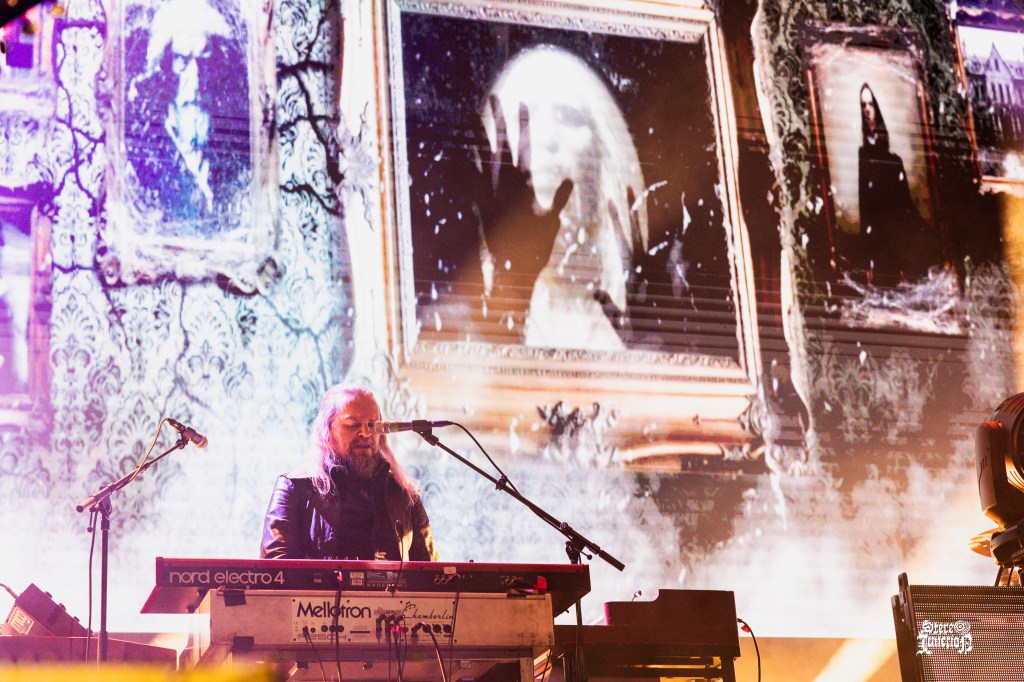
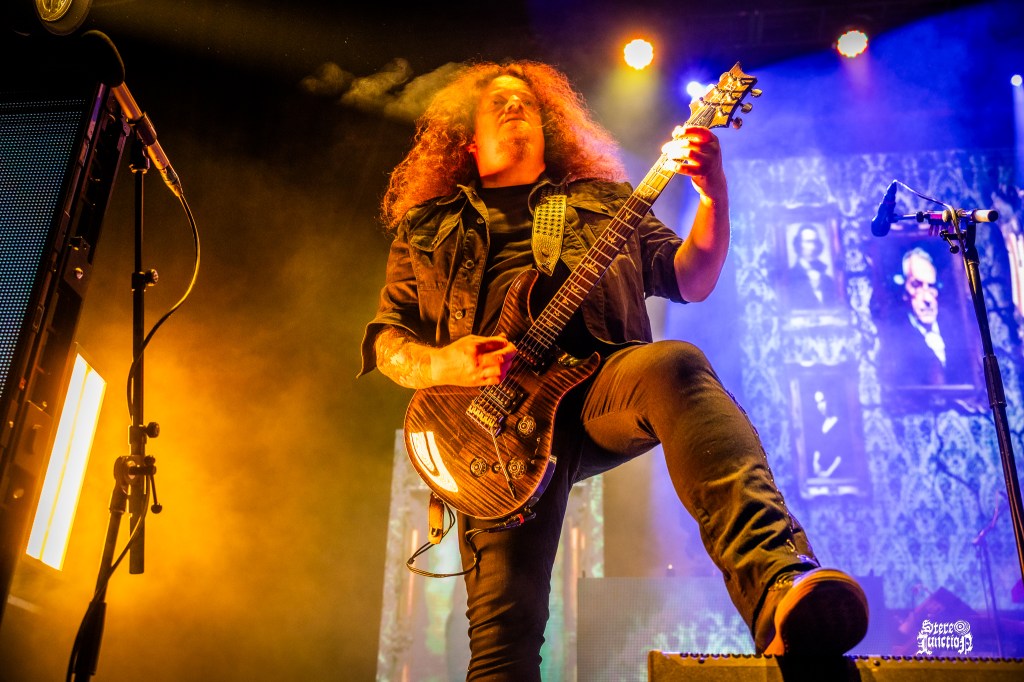
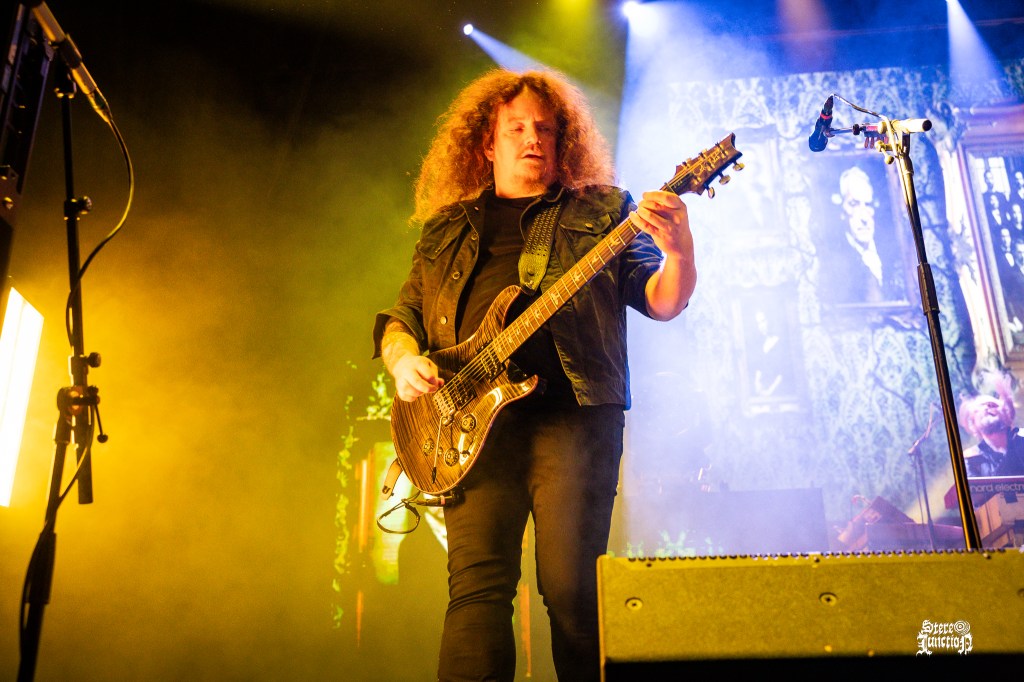
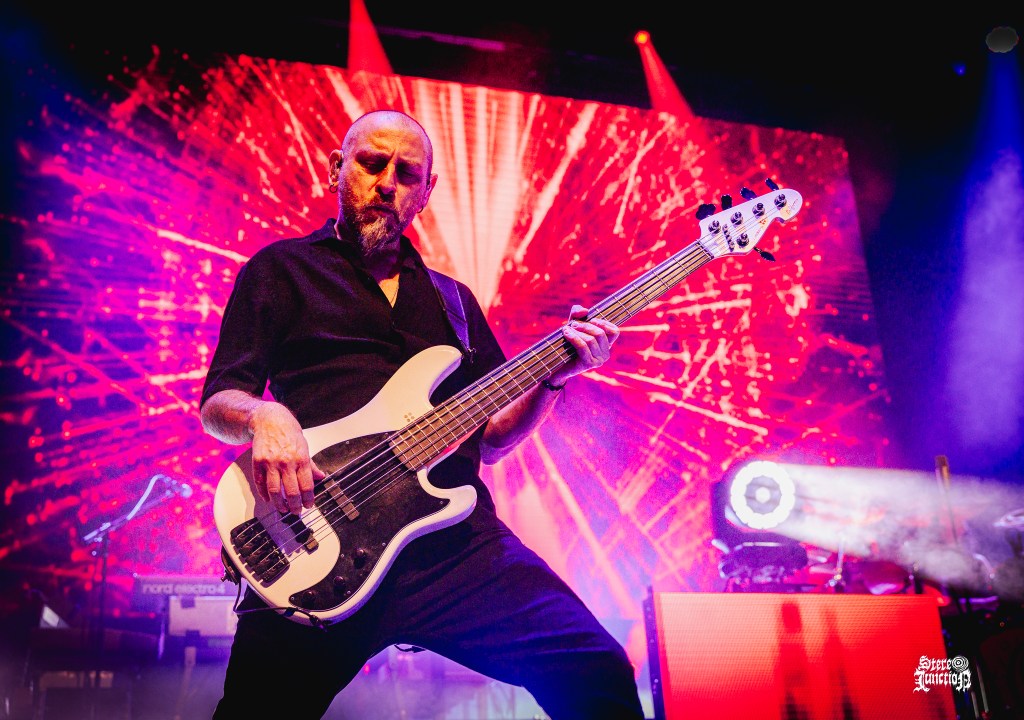
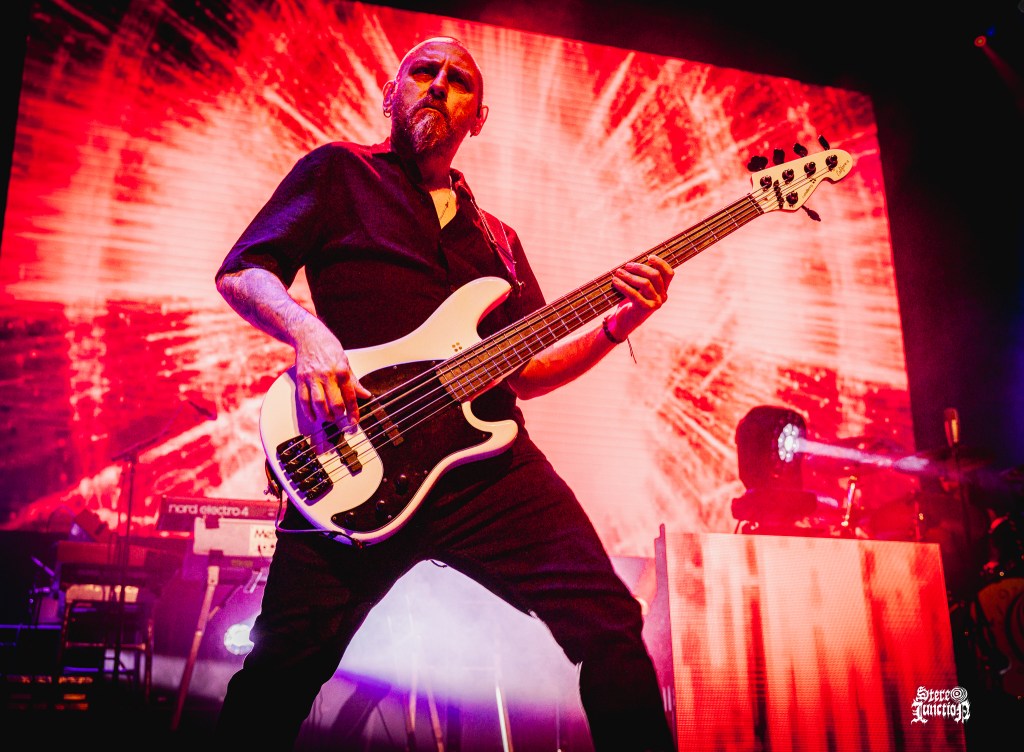
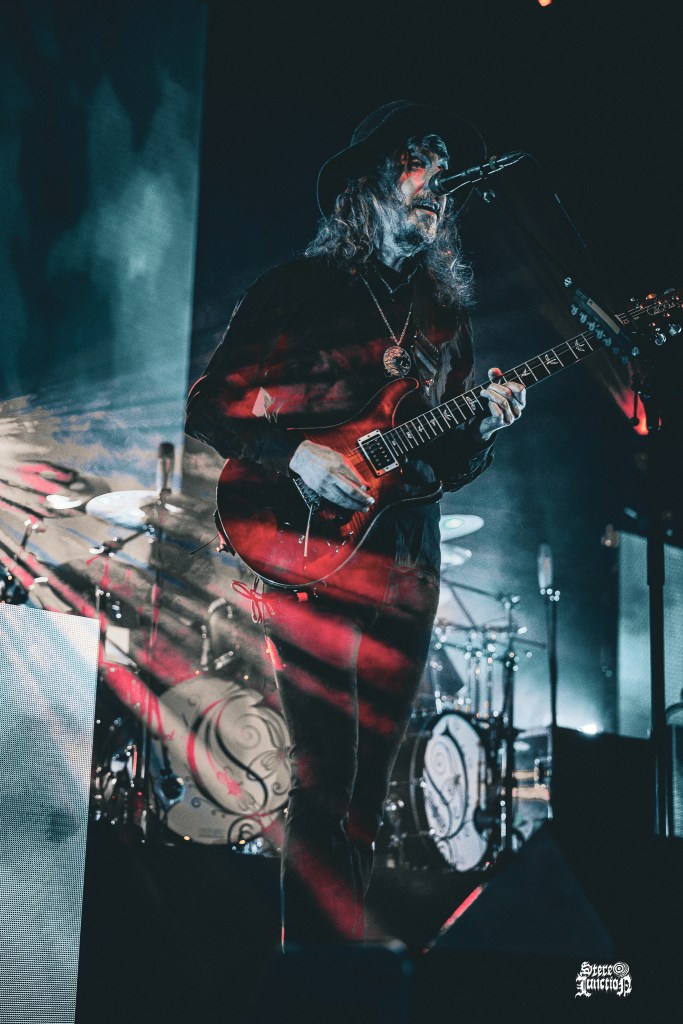
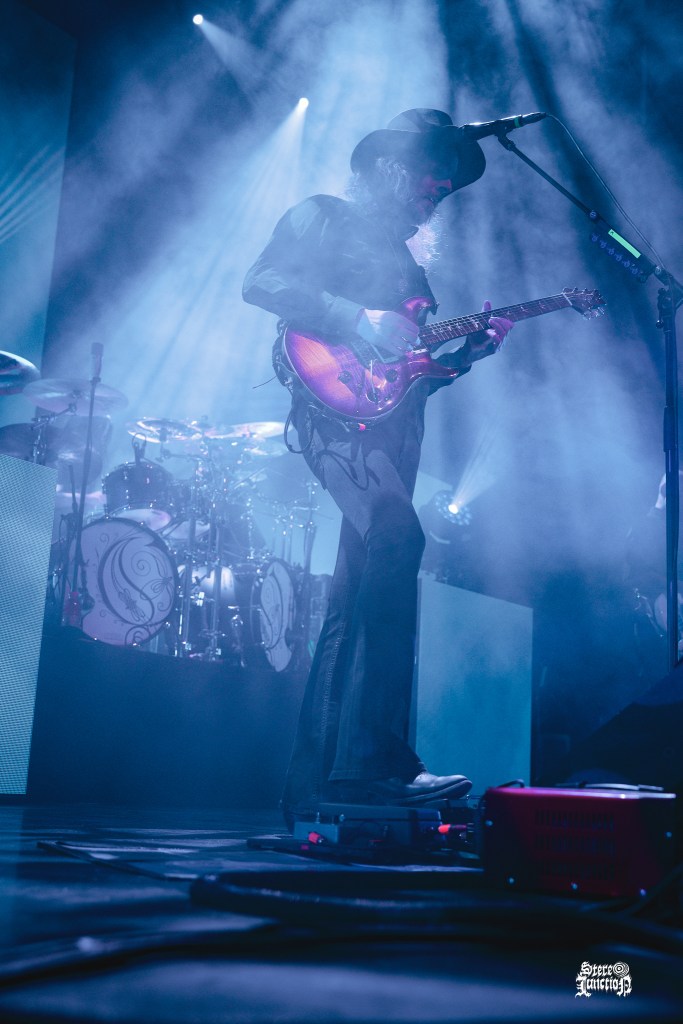
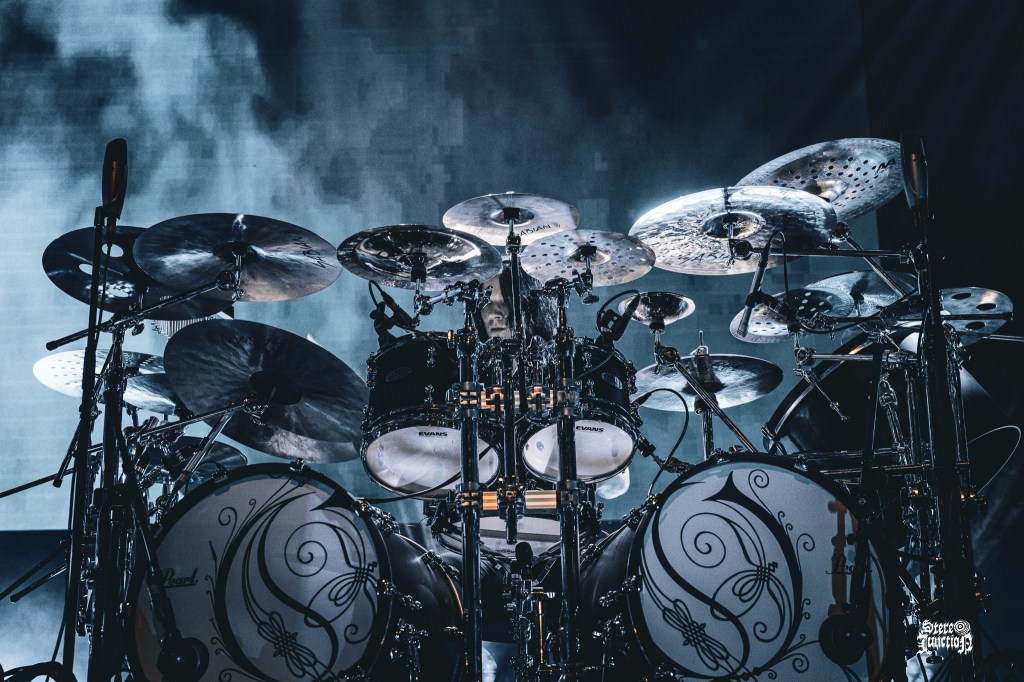
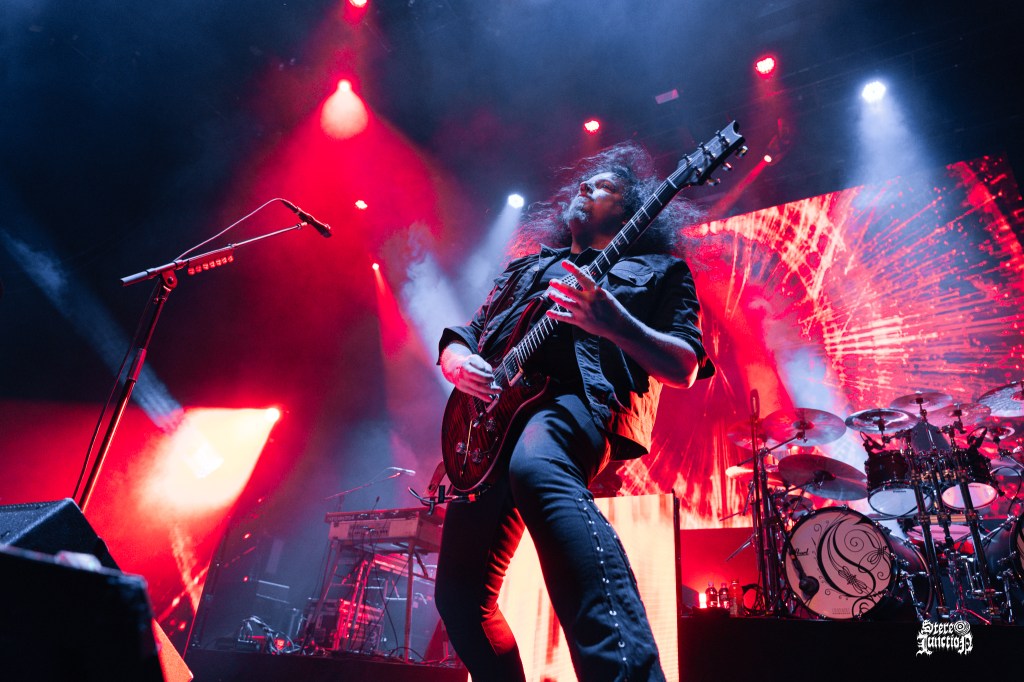
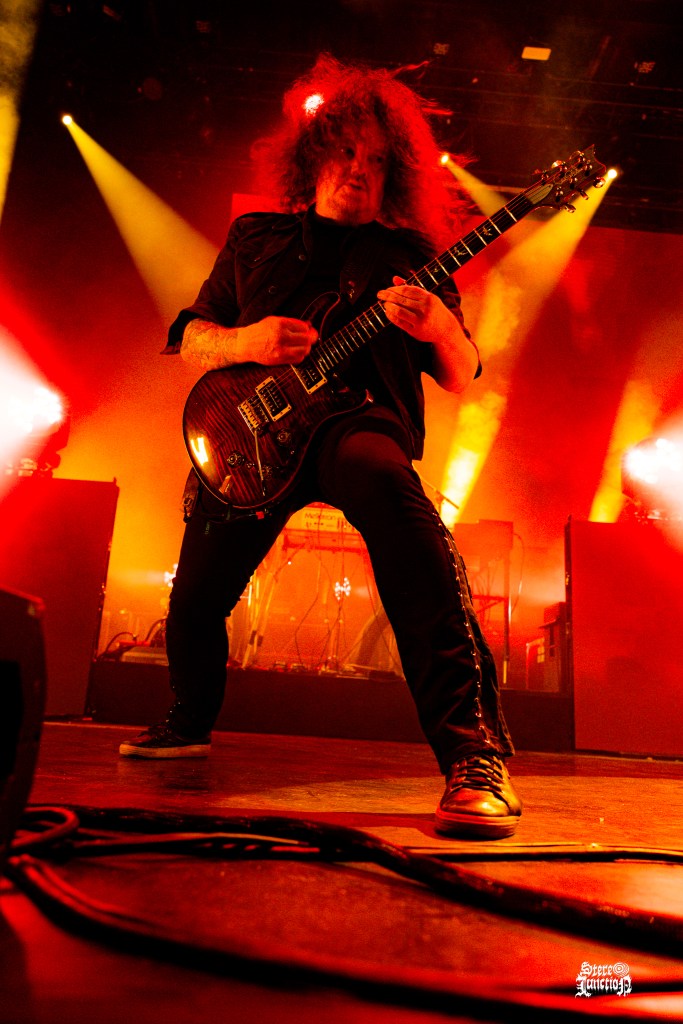
When the clock hit 9:00 PM, the Wellmont changed instantly. Nervous chatter stopped. Phones froze mid-air. The lights dropped, and the room exploded. This wasn’t the preamble to another band. Opeth had arrived.
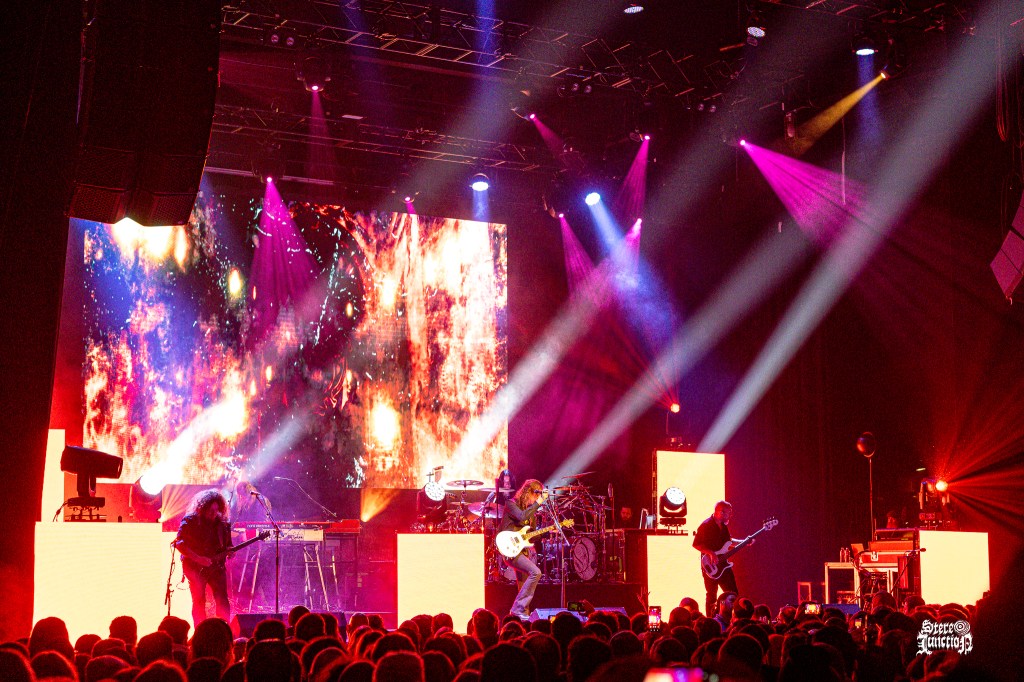
The production made that clear immediately. Massive LED walls flanked the stage, each song paired with its own dark, moody visual world. Nothing felt arbitrary or recycled. When the jagged opening riffs and synths of §1 kicked in, the entire room snapped into focus. It felt less like an opener and more like a warning.
Mikael Åkerfeldt stood center-stage in full command. Watching him lead a room is always powerful, but hearing him fully unleash those growls again—raw, controlled, intentional—felt like a statement. No nostalgia. No compromise.
Opeth didn’t ease anyone into the night. The first three songs came straight through, no pauses, no banter, setting a heavy, oppressive pace that refused to let up. And just when it felt like the rhythm of the set had been established, they swerved.
“Godhead’s Lament.”
There was a brief moment of disbelief before recognition hit. You could hear it—laughter, swearing, people turning to each other in shock. A song absent from live sets since 2016, dropped without warning. It didn’t feel like fan service; it felt like a deep cut played because the band wanted to play it. The reaction was pure chaos—the kind that only happens when a band truly understands its audience.
After that stretch, Mikael finally slowed things down with his trademark dry humor. He talked about how meaningful it was to have Opeth and Katatonia touring together—not as a gimmick, but as something that felt long overdue. He reminded the crowd that Jonas Renkse isn’t just a peer, but one of his closest friends. Now that both bands are under the same management, he joked, they finally have the leverage to make tours like this happen properly.
That led into a quick story from the early days—back when Katatonia were just starting out and nothing felt guaranteed. Mikael laughed about showing up to shows in ragged, flared jeans, broke and figuring it out as they went. It wasn’t nostalgia for success—it was nostalgia for survival. Two bands that grew up alongside each other, took different paths, and somehow ended up here, sharing a stage on night one of a North American run.
One of the most telling moments of the night came when Mikael casually reminded everyone that Opeth doesn’t use click tracks. What we were hearing was fully live—mistakes and all. Not that any surfaced. If anything, it made the performance feel riskier and more alive.
Watching this lineup work together feels less like watching individuals and more like standing in front of a living system. Nothing feels rigid, but everything moves with purpose. The guitars slice through the room, stretching into long, winding phrases before collapsing back into crushing riffs with unmistakable Opeth weight. Even when the songs drift into proggy corners, the low end remains solid and unmoving.
The drums push everything forward with real aggression. Older material—especially from the Blackwater Park era—didn’t sound preserved. It sounded sharpened. Faster when needed, heavier when it mattered, and genuinely dangerous.
Keys and backing vocals floated above and between everything, filling the negative space without pulling focus. On the newer The Last Will and Testament tracks, atmosphere carried as much weight as distortion. Nothing felt cluttered. Nothing overstayed its welcome. Four distinct voices, completely locked in.
Over nearly two hours, Opeth covered their entire career without it ever feeling like a retrospective. Old and new material reinforced each other naturally. No era dominated. No section dragged. The balance felt earned.
By the end of the night, none of the usual complaints mattered. Not the traffic. Not the long drive from the city. Not how late it was. Seeing Opeth this focused, this confident, and this unapologetically live made every inconvenience irrelevant. This wasn’t just a great show—it was Opeth reminding everyone why they still operate in their own space.
 Stereo Junction
Leave a comment