
Recently, the music industry has been sprinting toward a newer era—cleaner production, polished edges, and constantly evolving sounds in every lane. But there’s a reason the phrase old is gold still survives. Some things don’t lose value with time—they gain weight because they endured it. Thrash metal’s golden era is one of them. Trends come and go, scenes reinvent themselves, but the force of classic thrash still stands tall in today’s landscape. Last December, that legacy came roaring back when the Thrash of the Titans Tour was announced, bringing together three pillars of the genre: Destruction, Overkill, and Bay Area giants Testament.
Whenever a massive package tour rolls through the Northeast, New York City is rarely the easiest stop. Between tight streets, endless traffic, and the challenge of parking multiple tour buses, logistics alone can become a war zone. That made this run feel like the perfect excuse for city dwellers to escape the concrete for a night and trade sirens for riffs in Sayreville. Some tours are worth attending. Others are worth dragging friends to witness. This was the latter.
For the trip to Starland Ballroom, I brought along the guitarist of Dissector and Karmant—a fellow thrash obsessive from Dhaka. The drive from New York wasn’t short, so naturally the car became its own pre-show ritual. We spent the ride buried in conversations about thrash history while rotating classics from Metallica, Megadeth, and Sepultura, then jumped ahead to newer blood like Havok and Violator. It became one of those long, satisfying conversations only metalheads understand—hours disappearing into riffs, records, and the architects who built the genre.
We left early to beat the Saturday traffic, and that decision paid off. Even arriving ahead of schedule, the venue was already filling fast. The parking lot sat nearly half full, while the entry line curled through the lot like a snake growing longer by the minute. Lately, I’ve made a habit of studying the crowd demographics at shows out of curiosity. I expected a mostly older turnout for a package rooted in thrash’s golden age. Instead, I was genuinely surprised to see a strong wave of younger fans showing up for these veteran titans. It was a reminder that great riffs don’t age—they get inherited.
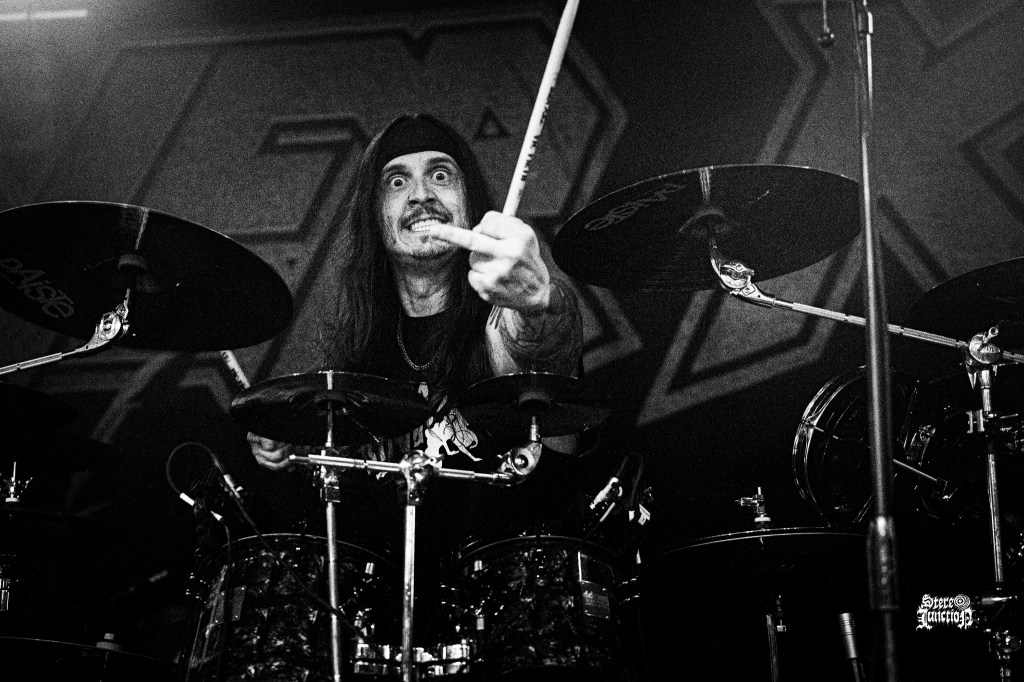
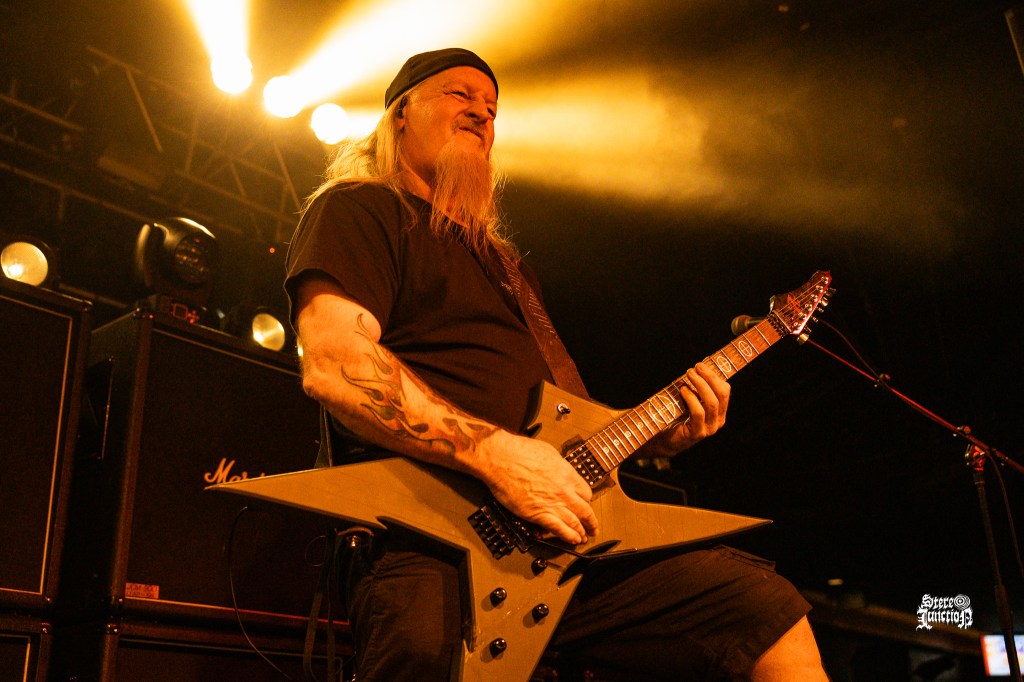
Watching the line build outside a sold-out show, it was already clear that Starland Ballroom would be packed wall to wall. Once inside, the low-ceiling room felt ready to burst, bodies stacked shoulder to shoulder, everyone waiting for the first hit of the night. It was the kind of hot, restless atmosphere only thrash can create. This marked my second time seeing Destruction in the post-Mike Sifringer era, and with the band evolving from a longtime three-piece into a four-piece, there was natural curiosity about how this chapter would feel live. Any doubts vanished quickly. The set erupted with “Curse the Gods,” its eerie, razor-edged riffs instantly throwing the room into motion. There was no warm-up period—Destruction went straight for the throat, diving into cuts like “Death Trap,” where their harsher roots still sounded dangerous and raw. “Nailed to the Cross” landed like a war anthem, its massive chorus turning the room into one voice, while newer material like “Scumbag Human Race” proved the band never lost its cynical bite. A major strength of this current lineup is the added muscle brought by Martin Furia and Damir Eskic, whose twin-guitar attack gave the classics extra force without sanding off their old-school aggression. Much of the set honored the legacy years with material from Infernal Overkill, The Antichrist, and Sentence of Death. Still, the true eye of the storm remained Schmier, whose snarling vocals, bass-driven command, and manic energy turned the stage into controlled insanity.
The shift from Destruction’s Teutonic chaos to Overkill felt less like a set change and more like being hit by a speeding Jersey truck. Opening with the brooding stomp of “Scorched,” it was immediately clear that Bobby Blitz Ellsworth hasn’t lost an ounce of that frantic swagger. Even in 2026, he remains one of thrash’s great frontmen—a blur of twitching movement, wild-eyed charisma, and that unmistakable glass-shattering rasp. He didn’t just walk the stage; he prowled it, leaning into the front row with a grin that suggested he was having more fun than anyone in the building. The crowd, already primed by the opener, reached another level once the band launched into “Rotten to the Core” and “Hello From the Gutter.”
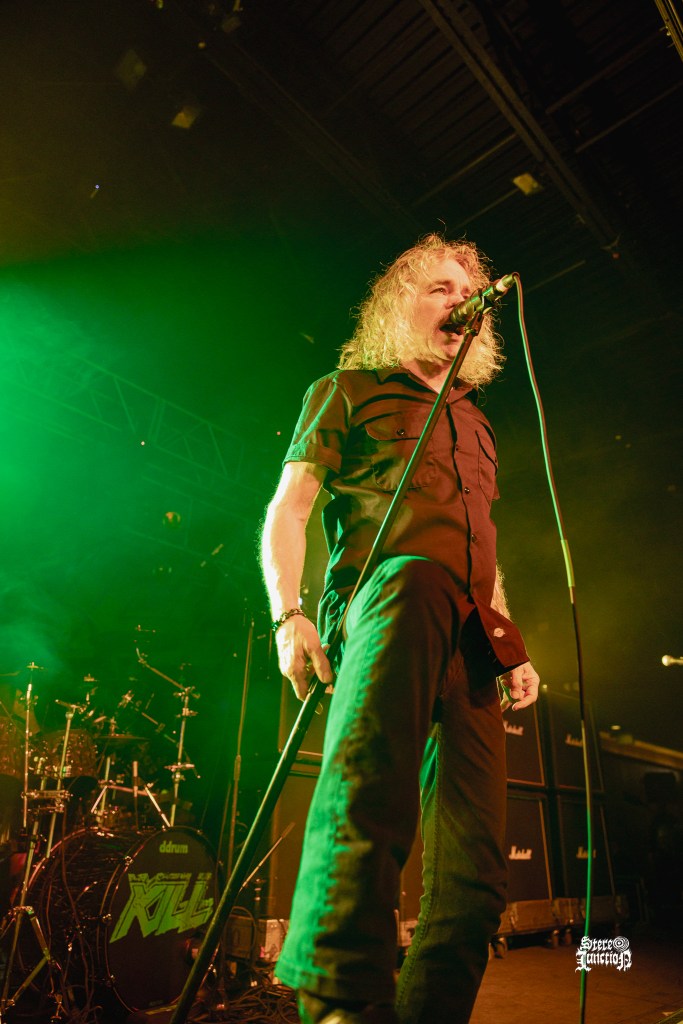
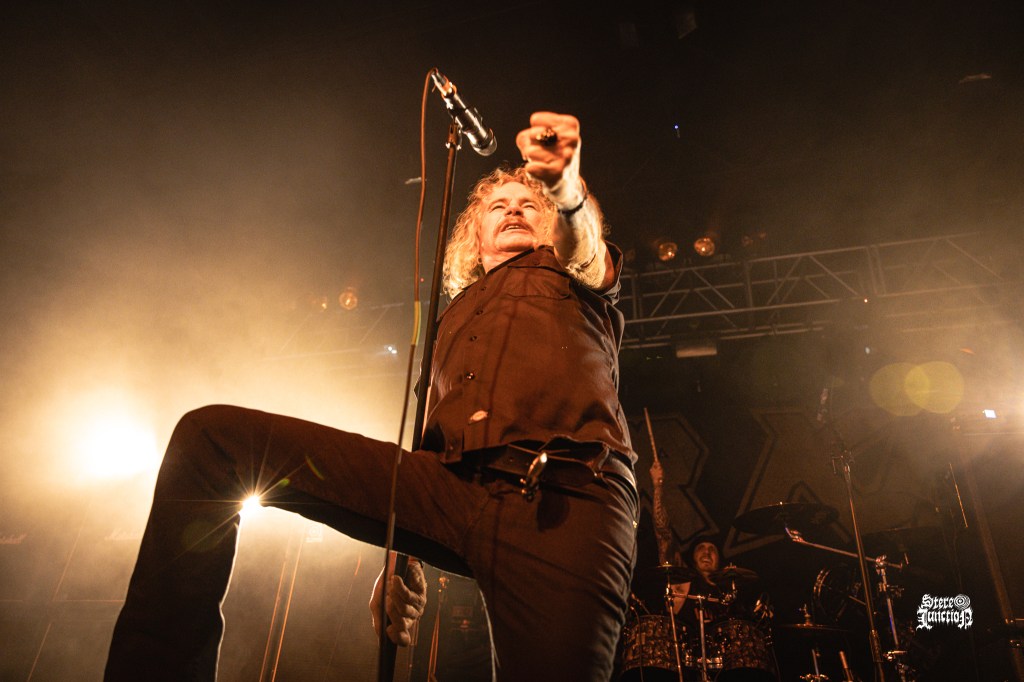
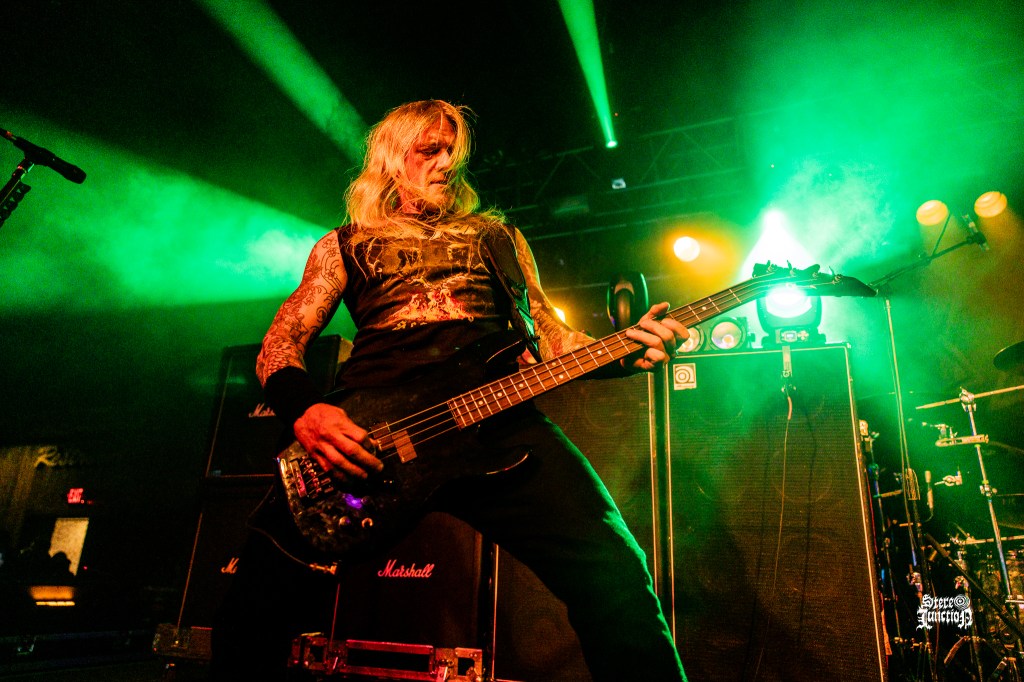
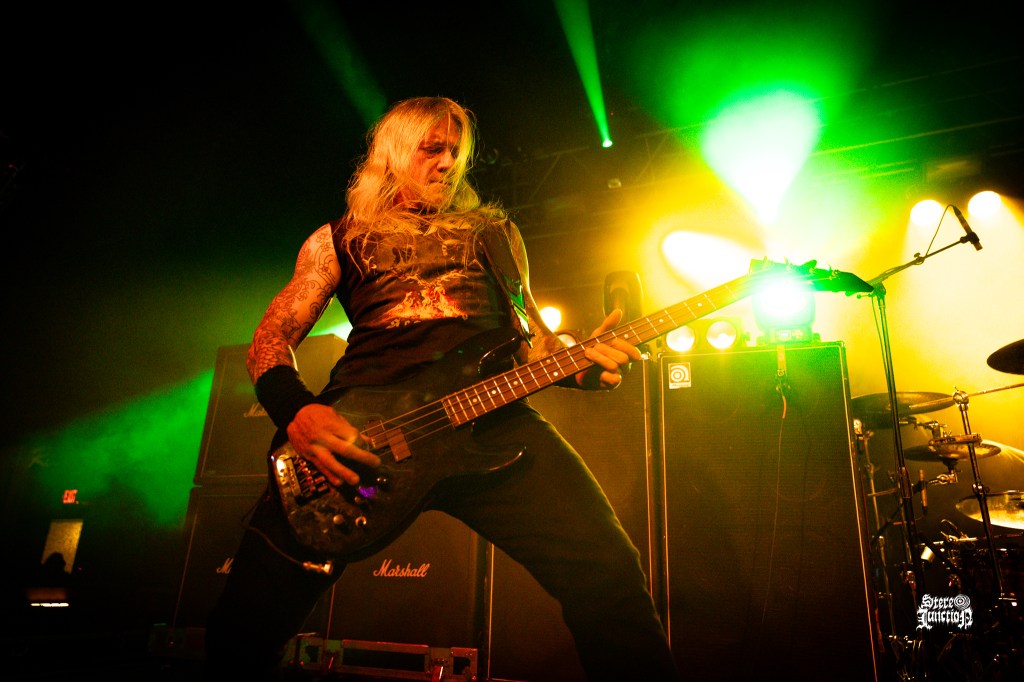
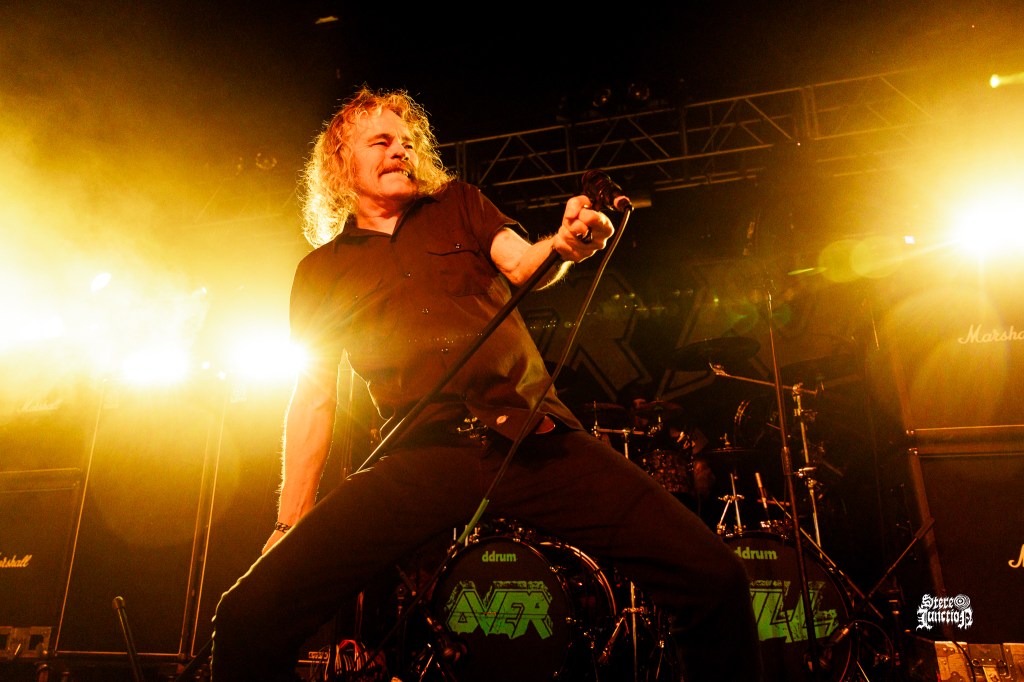
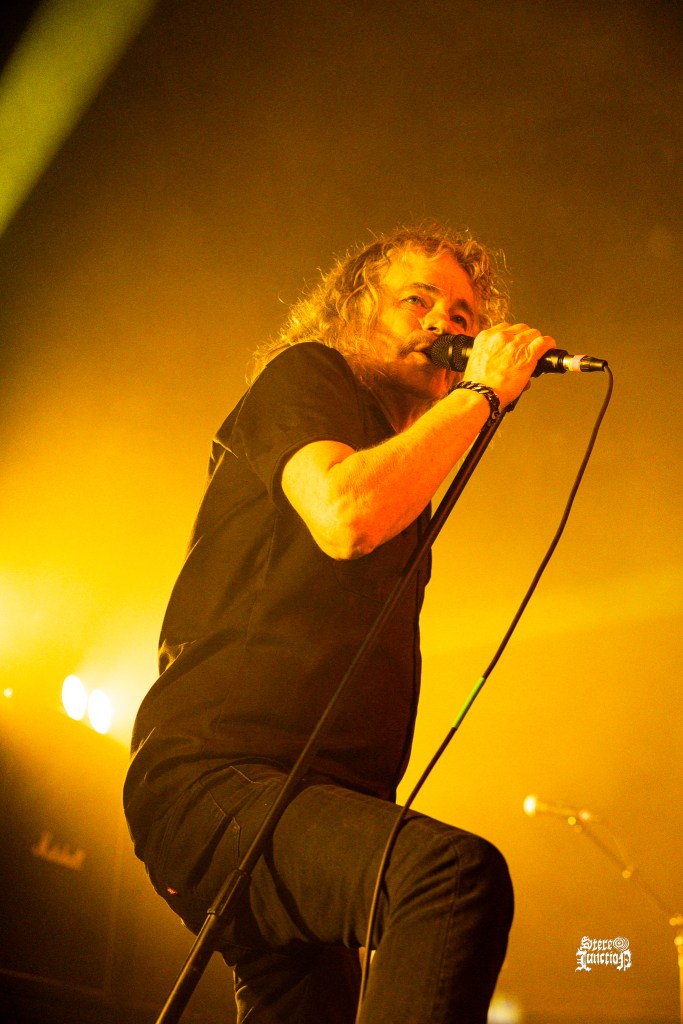
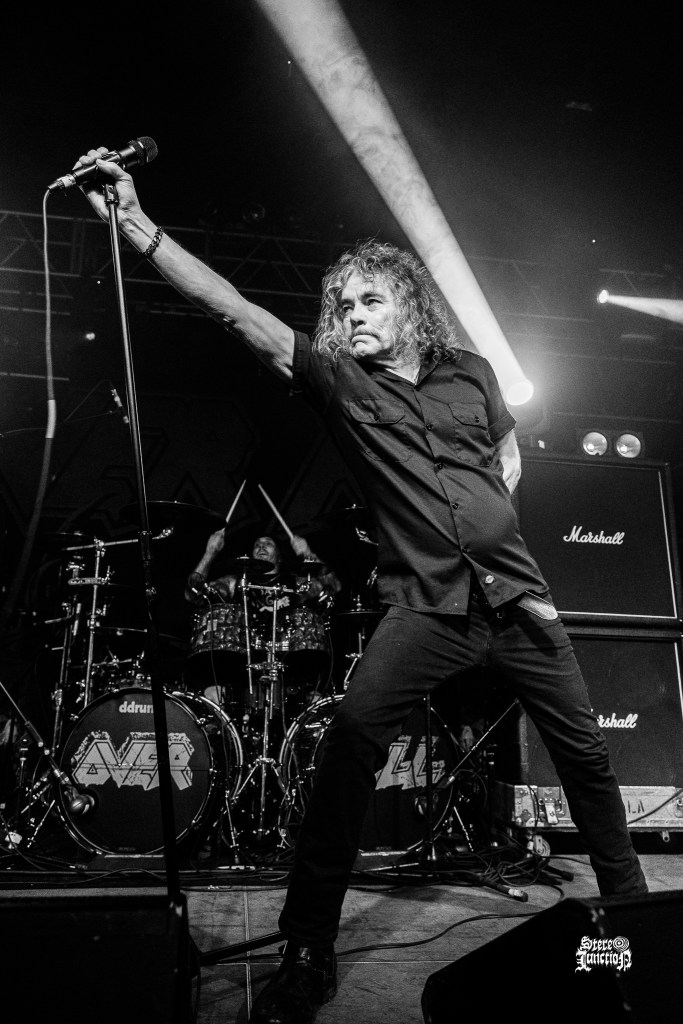
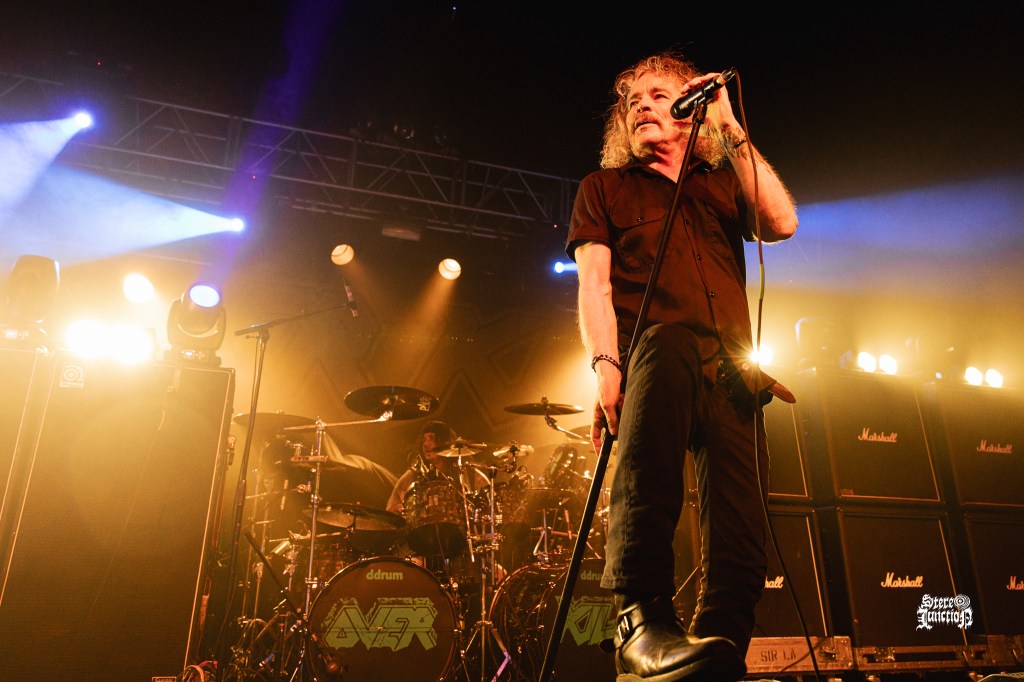
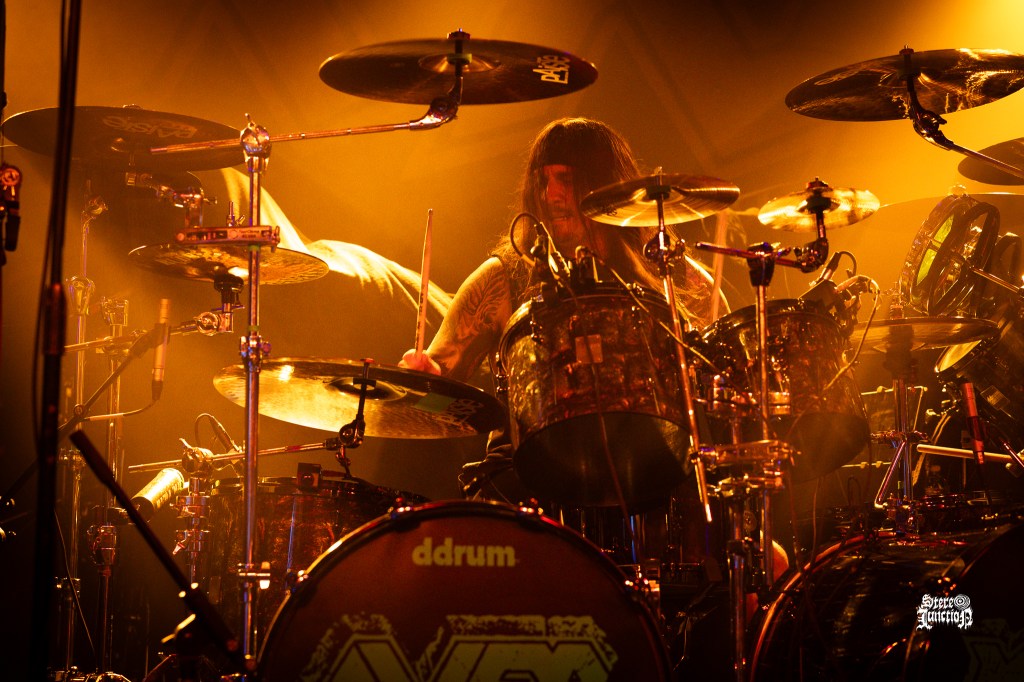
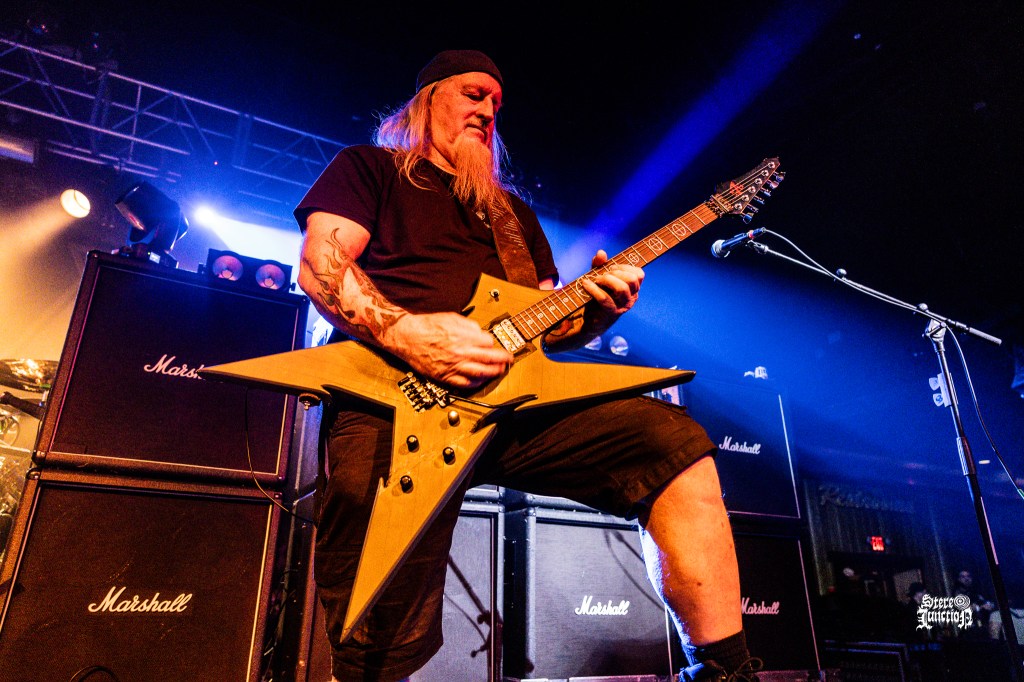
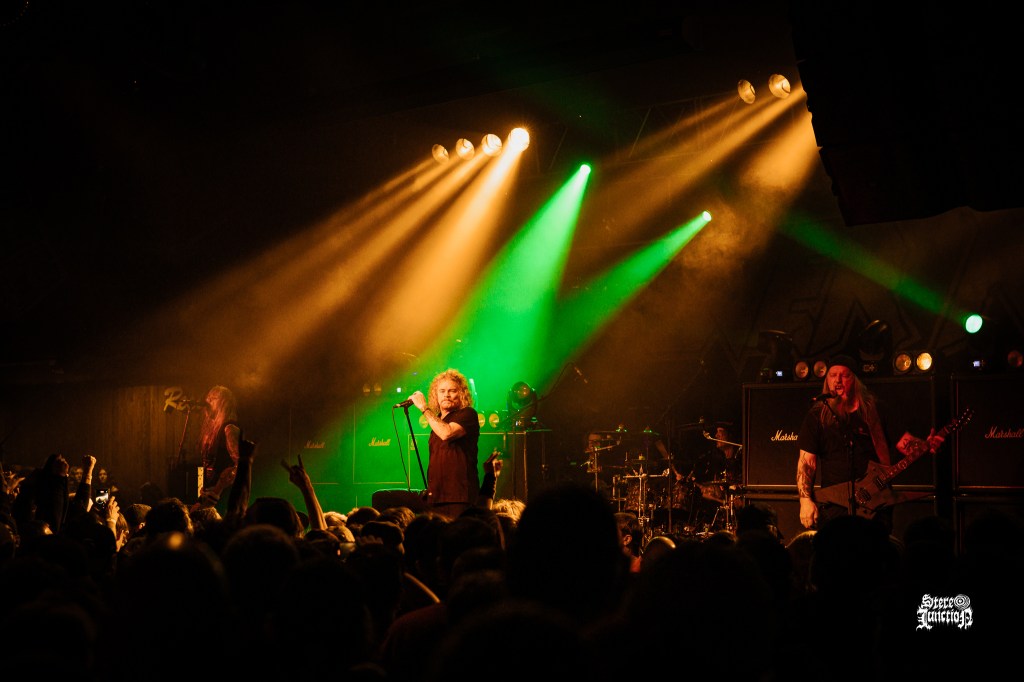
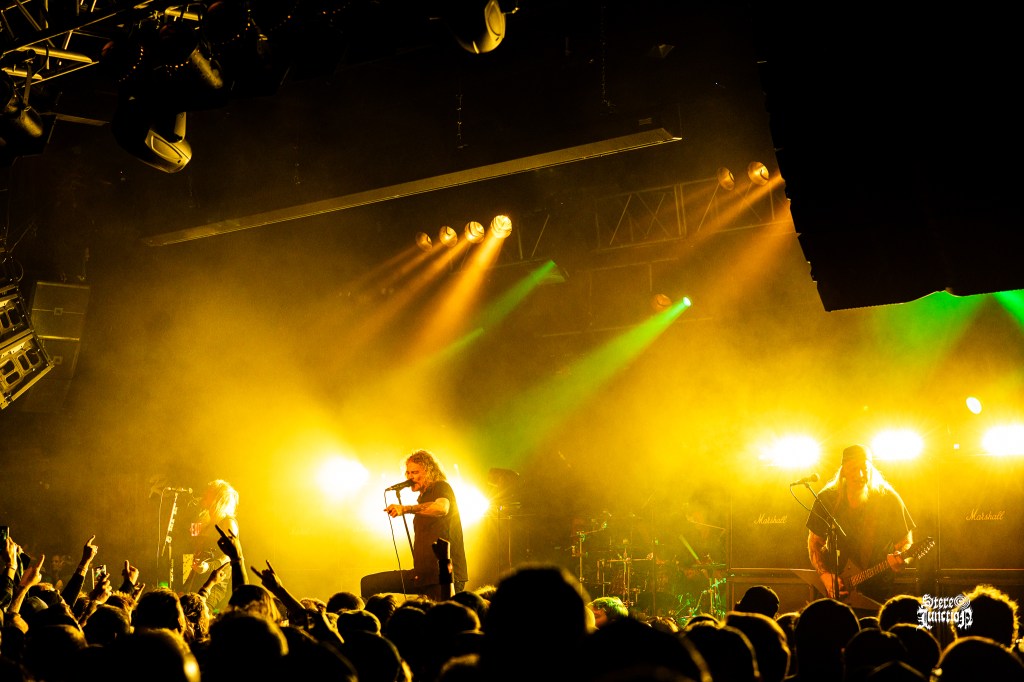
The most memorable moment came during “Deny the Cross,” when the guitars suddenly dropped into silence. For most bands, that kind of technical failure kills momentum. Not this one. D.D. Verni stepped into the gap with a bass tone so filthy and massive it practically became a rhythm guitar. Blitz immediately filled the dead air with dry Jersey humor, joking about local wiring and keeping the crowd locked in until the six-strings roared back. What could have been a disaster became one of the night’s highlights.
Once the issue was fixed, Overkill hit full stride. “Ironbound” sounded enormous, proving their modern-era material can stand beside the classics, while “Elimination” turned the floor into a spinning storm of denim, sweat, and raised fists. There’s something deeply honest about Overkill—they don’t need gimmicks because the music is the show. Closing with a sea of middle fingers during their cover of “Fuck You,” the room felt less like a concert and more like a reunion for the gloriously disgruntled. After four decades, Overkill remain one of thrash’s most durable and defiant forces.
Before Testament even stepped into the lights, the room was already vibrating to Motörhead’s “Ace of Spades” blasting through the PA. It was the perfect entrance music—a salute to Lemmy Kilmister and a warning that the final wave of destruction was close. The band reportedly had the option to play a larger theater on this run, but chose Starland instead, and the decision made perfect sense. Some bands belong in polished rooms. Testament belongs in sweat.
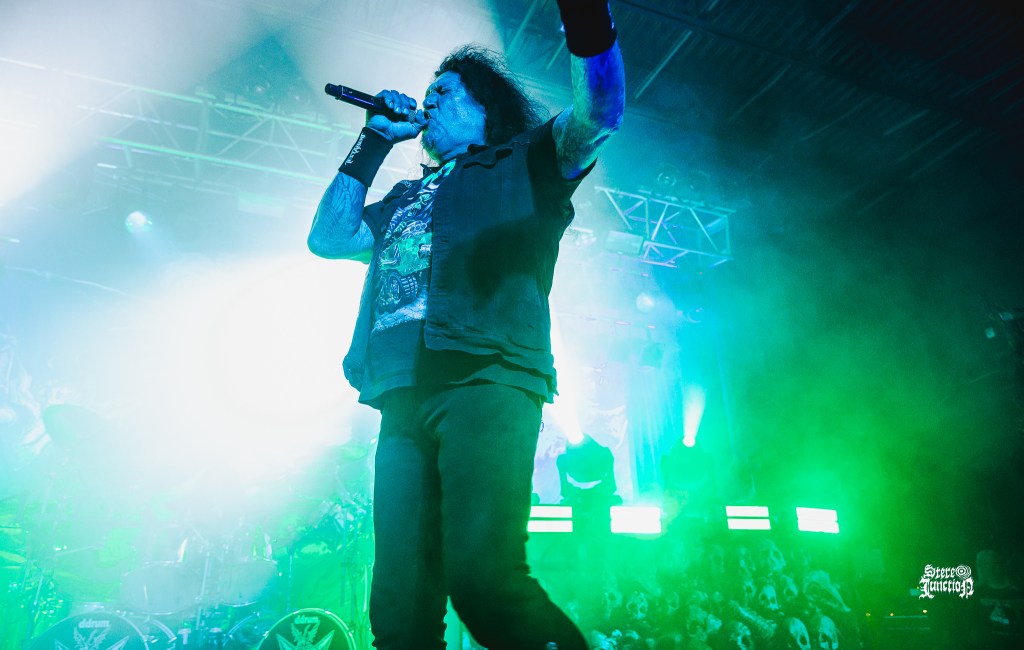
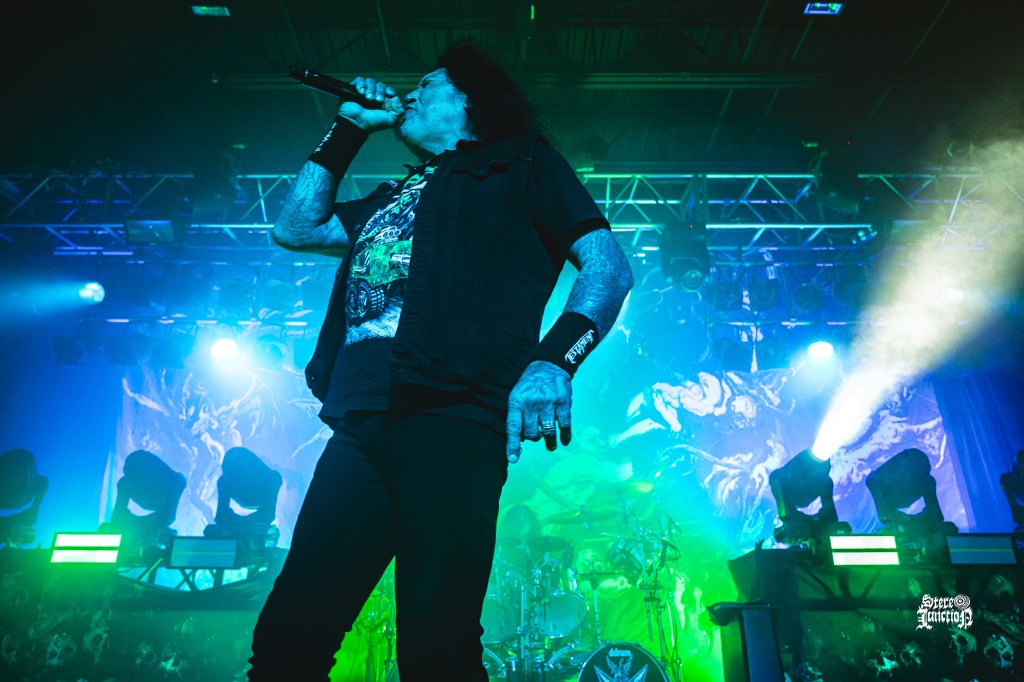
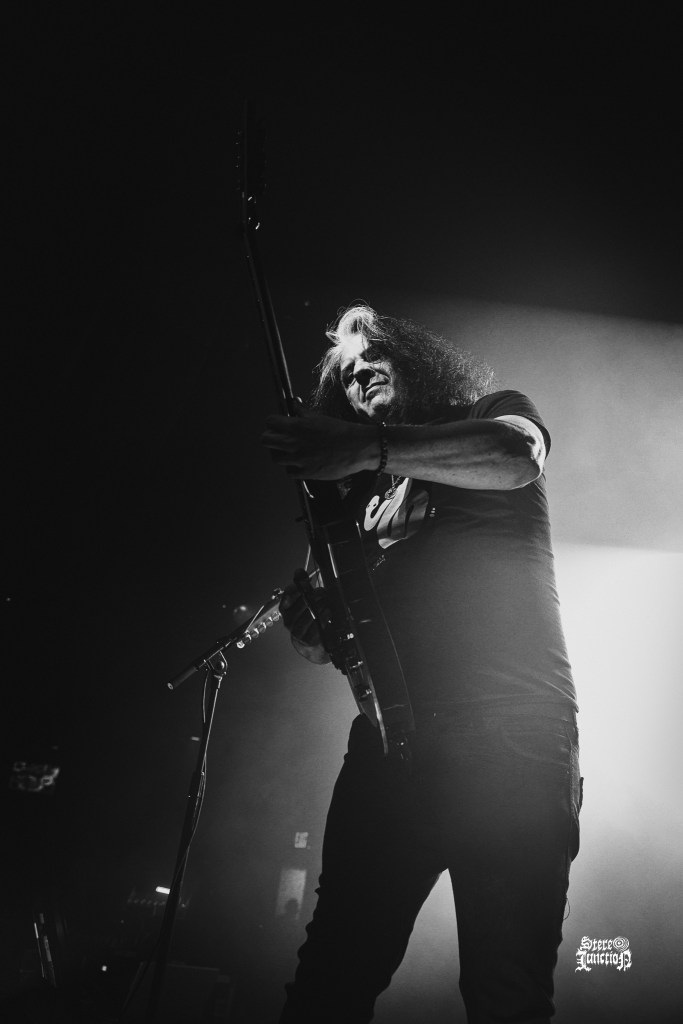
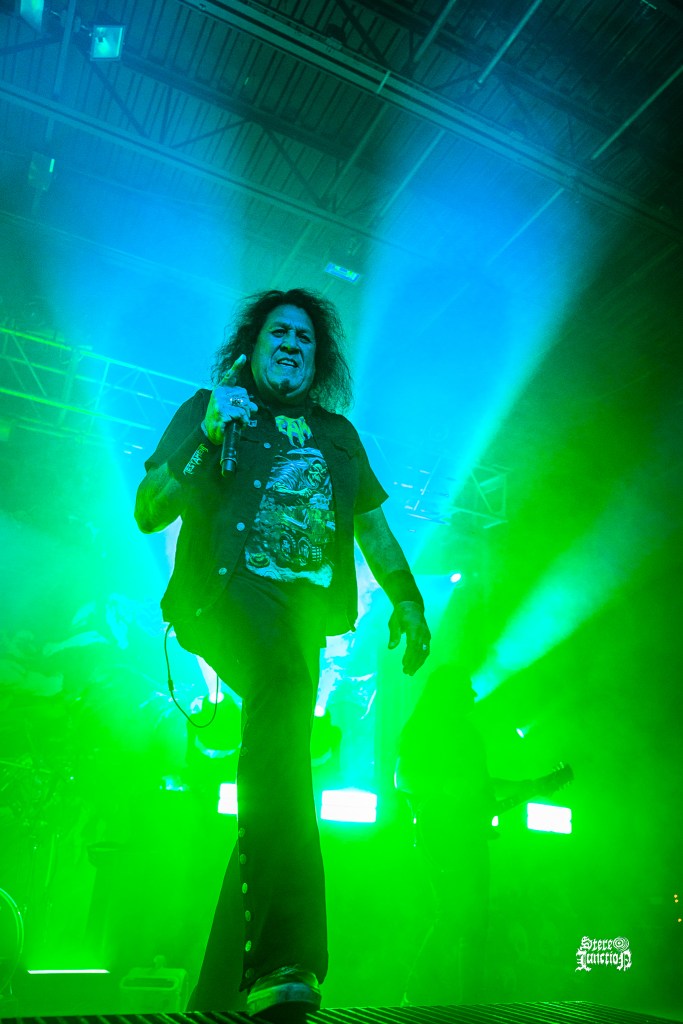
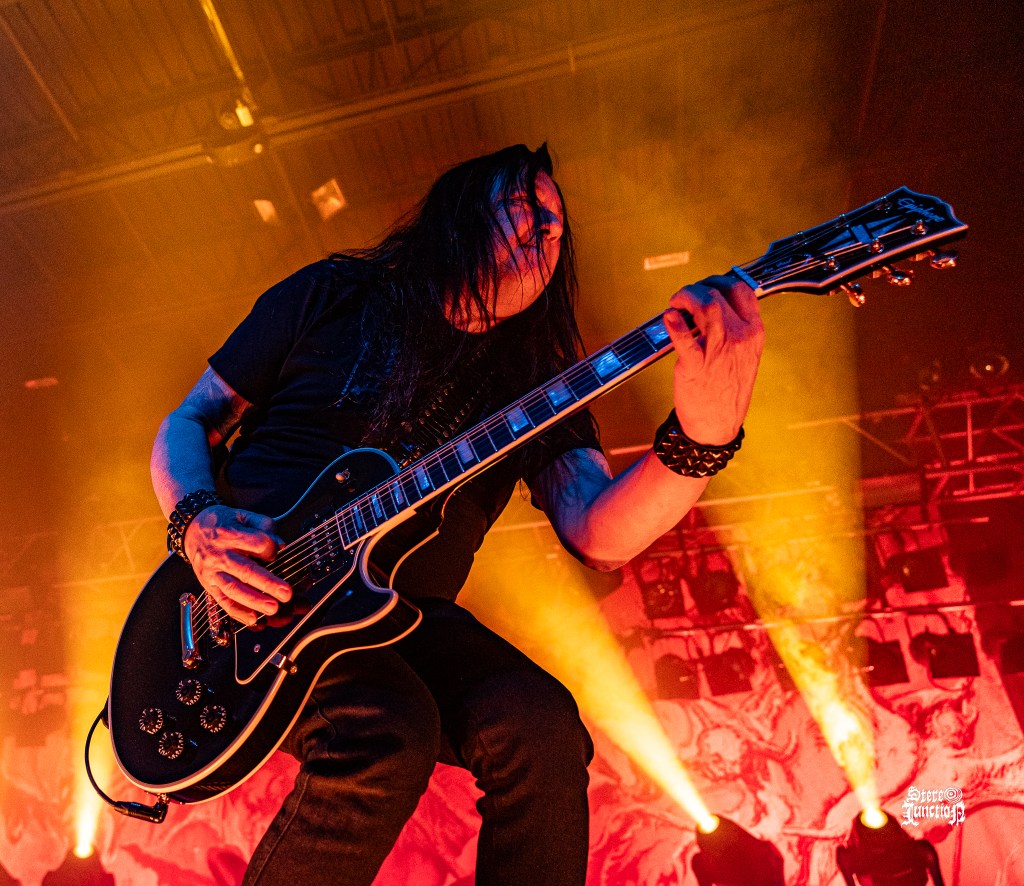
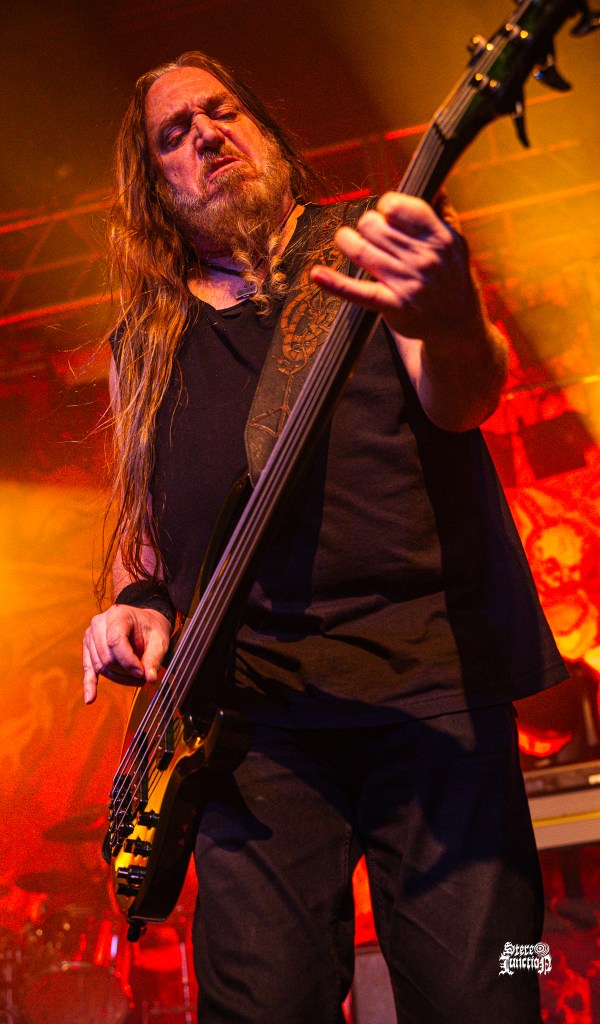
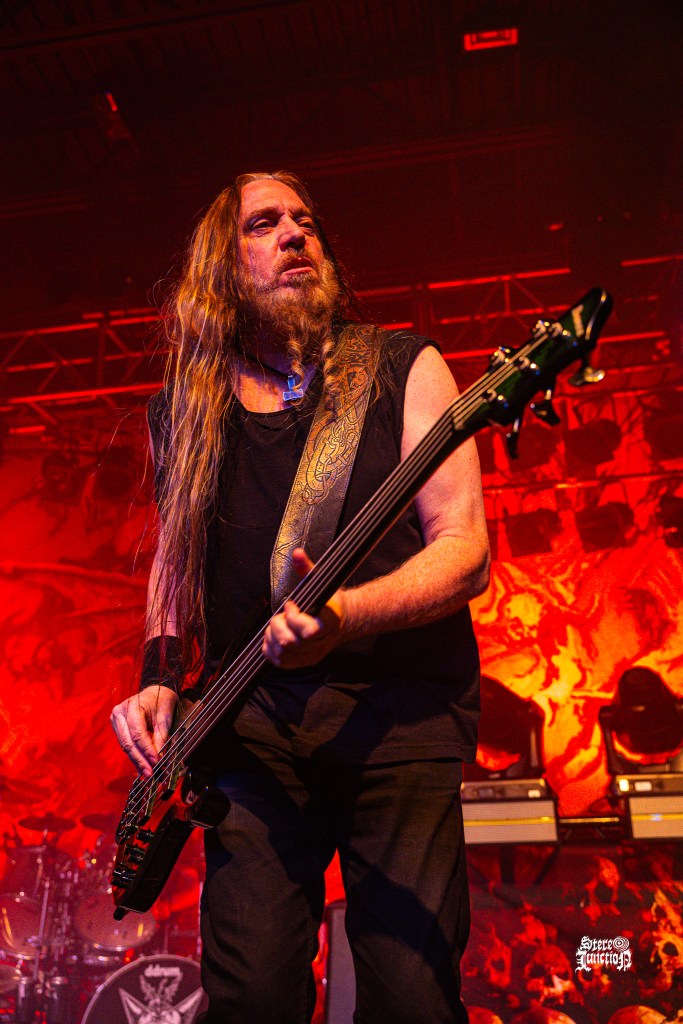
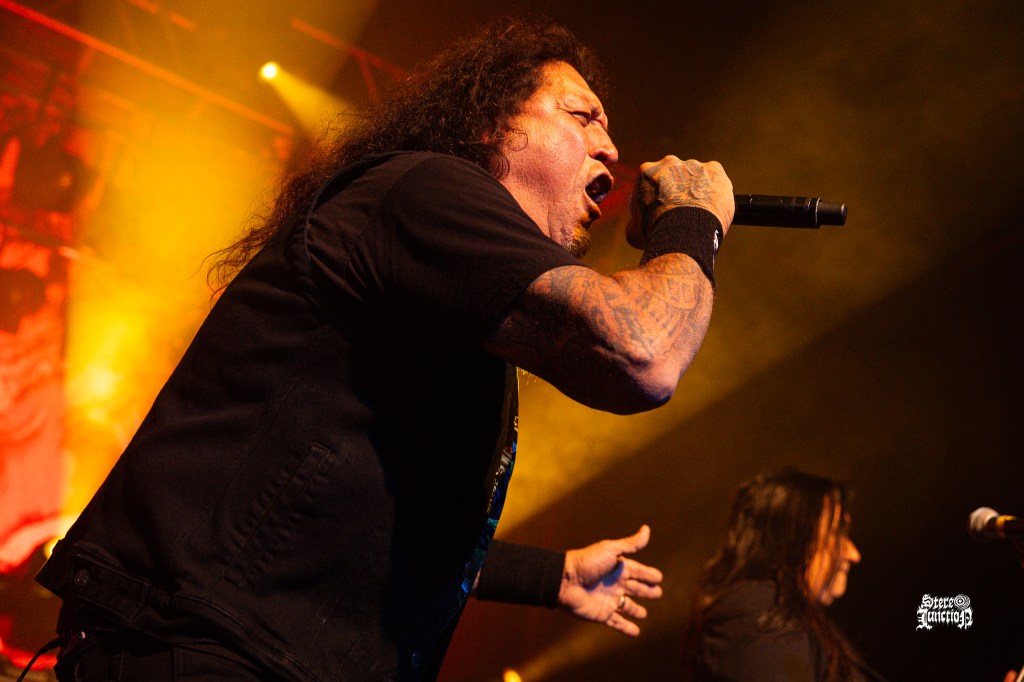
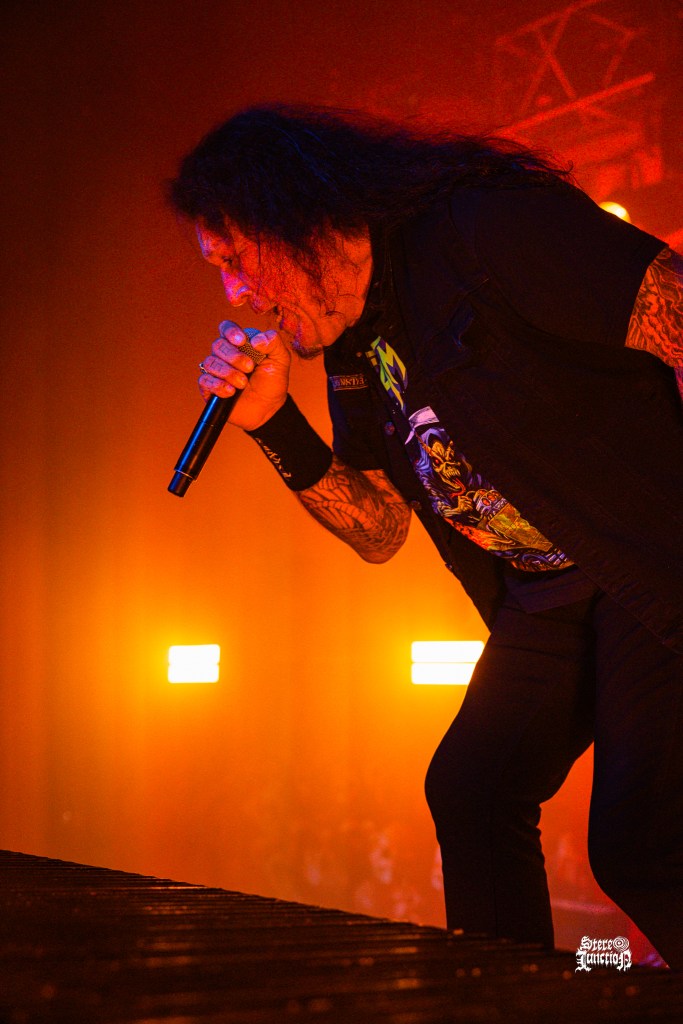
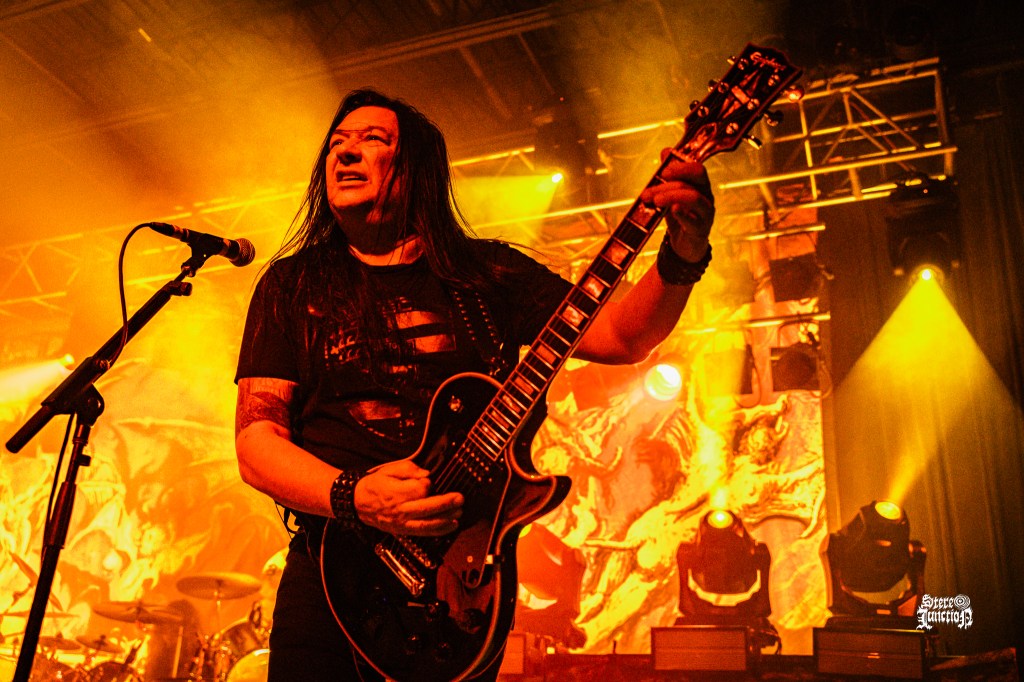
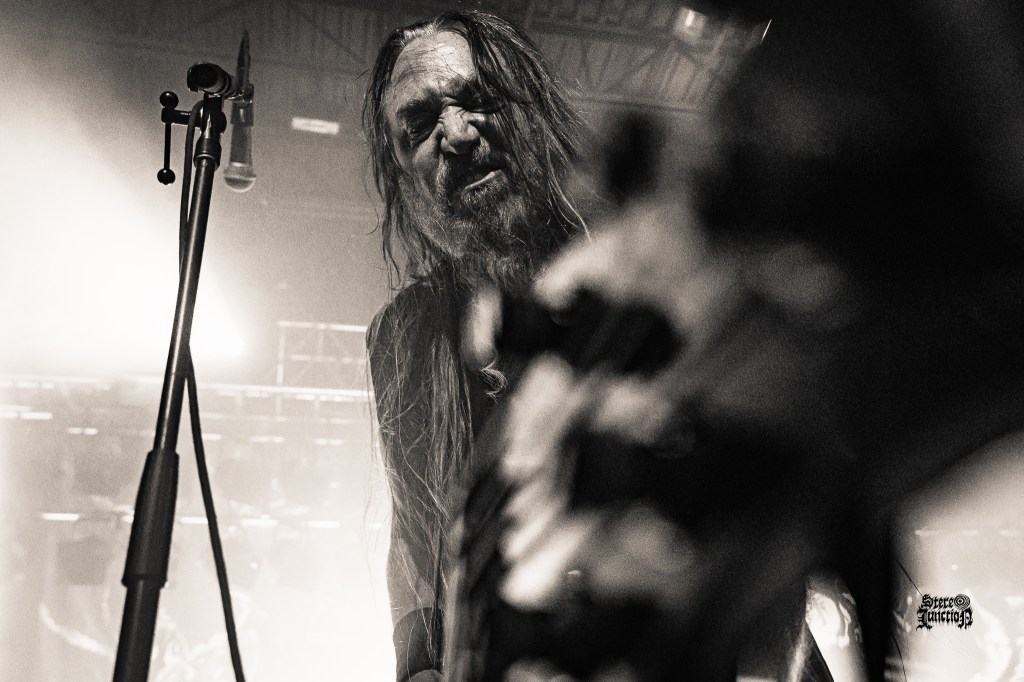
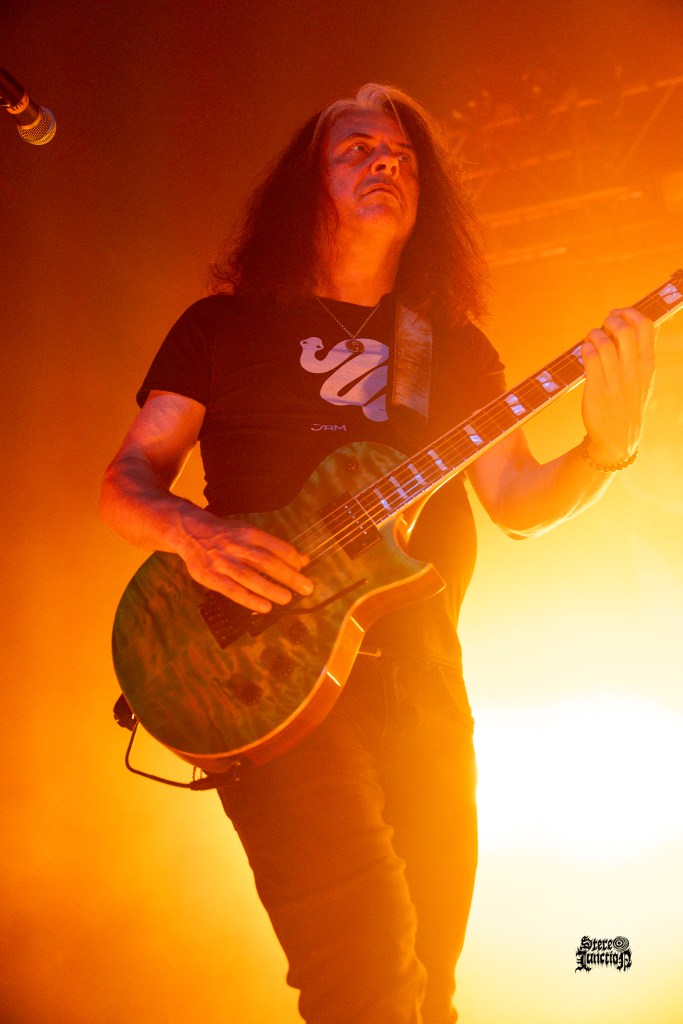
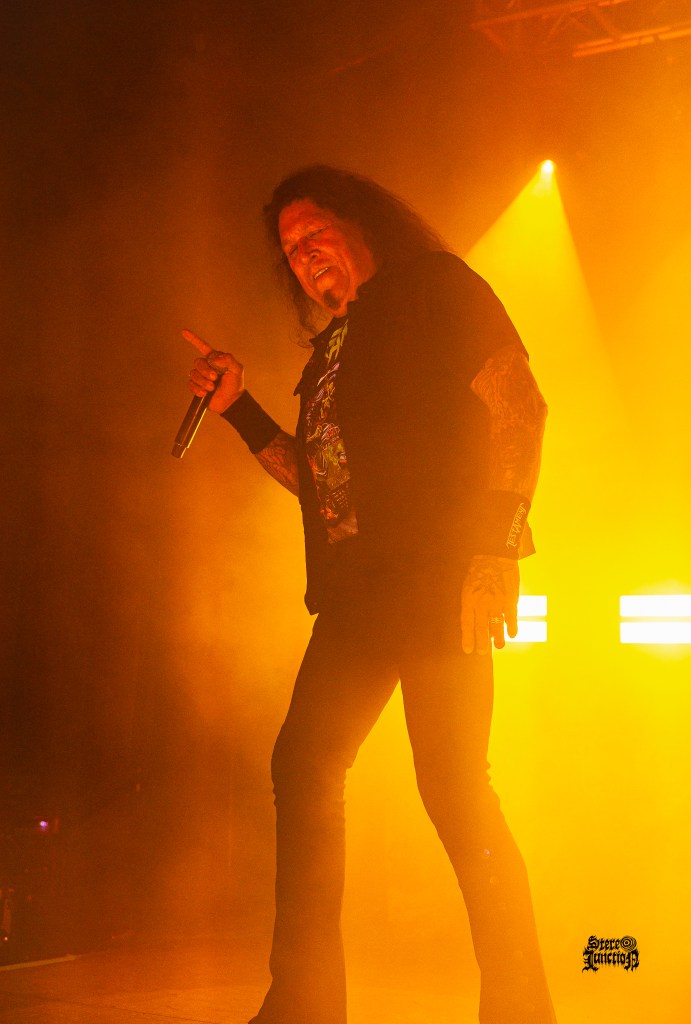
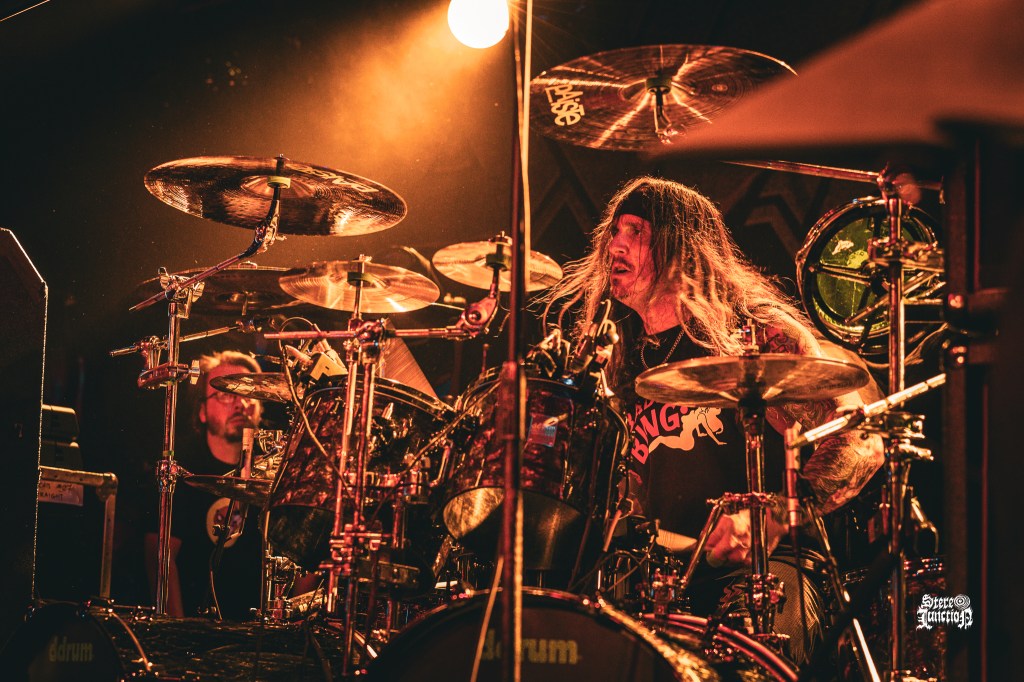
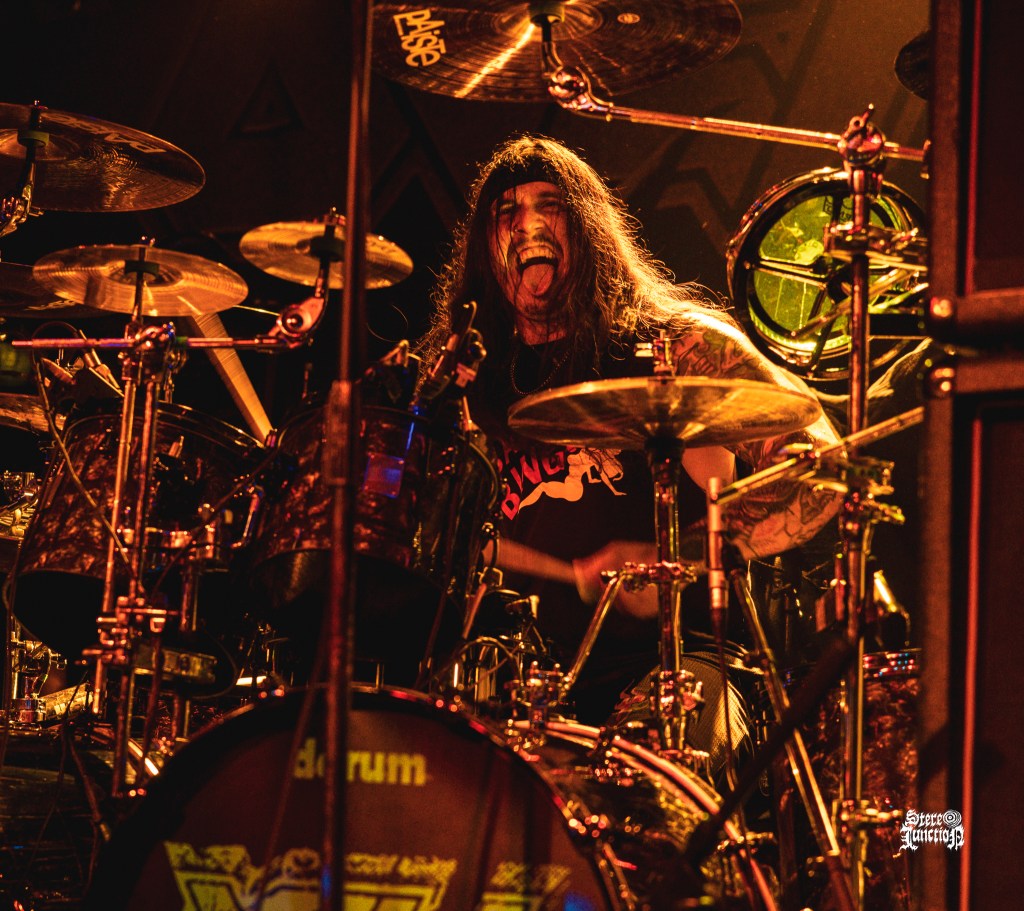
From a technical standpoint, the set was a clinic. Chris Dovas has clearly injected new fire into the band, his relentless drumming giving staples like “Into the Pit” fresh violence. That surge allowed the legendary pairing of Eric Peterson and Alex Skolnick to fully flex. Peterson’s rhythm work hit like concrete slabs, while Skolnick’s fluid, jazz-touched leads reminded everyone why he remains one of metal’s most tasteful players. Holding down the low end was the incomparable Steve Di Giorgio, whose fretless bass work remains both musical and mesmerizing to watch. His mid-set habit of kicking off his shoes only added to the legend.
The emotional peak arrived when Chuck Billy paused the assault to address the wars tearing through the modern world, noting how the current climate made it the right time to bring back “WWIII.” It was more than nostalgia—it felt like social commentary sharpened into steel. By the time the crushing final notes of “Over the Wall” rang out, it was clear Testament had delivered the night’s most complete performance: technical, powerful, and deeply connected to the room around them. Chuck’s voice still carried enormous force, commanding the crowd with the authority of someone who helped write the blueprint in the first place. The Thrash of the Titans Tour was more than a package run built on nostalgia. It was proof that these bands still matter in the present tense. Destruction showed hunger, Overkill showed grit, and Testament showed mastery. More importantly, the packed room full of old heads and younger fans alike showed that thrash metal’s pulse remains strong. In an era obsessed with what’s next, sometimes the loudest statement comes from what never died
 Stereo Junction
Leave a comment